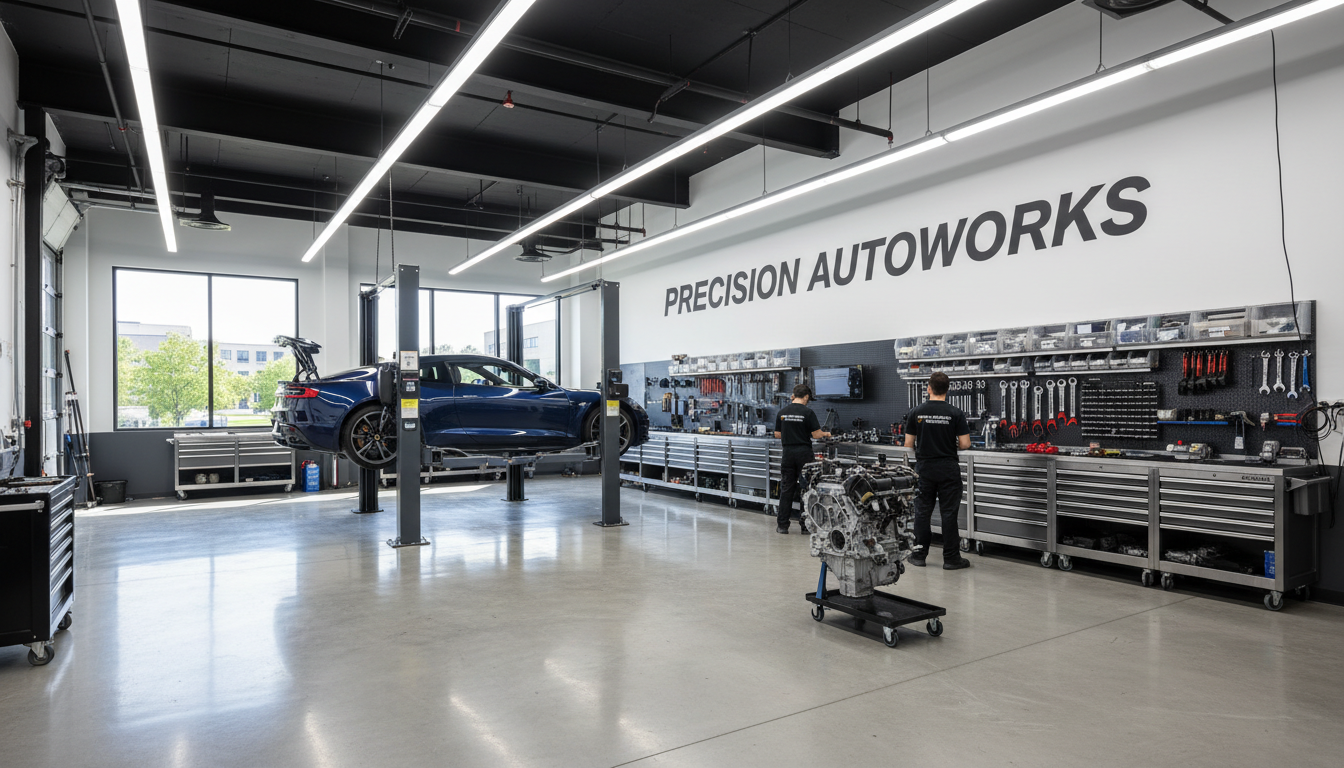
Modern car diagnostics utilize a network of onboard computers and sensors to monitor vehicle performance and identify potential malfunctions in real time. Technicians use specialized scanning tools to retrieve digital error codes from the vehicle, which allows them to pinpoint issues in the engine, transmission, or electrical systems with high accuracy. This technology ensures faster repairs and helps drivers maintain vehicle safety and efficiency.
That sinking feeling when an orange light flickers on your dashboard often brings more questions than answers. For many drivers in Nephi, a check engine light feels like a mystery that might lead to a costly repair bill or an unexpected breakdown on a rural highway. However, modern vehicles are sophisticated machines that communicate precisely if you have the right tools to listen. Understanding how these diagnostic systems function is essential for maintaining your vehicle's longevity and your own peace of mind. In this guide, we will explore the evolution of onboard sensors and the specific challenges our high altitude environment poses to your car. You will also learn the difference between basic handheld scanners and the professional systems we use at Gobes Auto to ensure your vehicle stays reliable on Utah roads.
The Evolution of Dashboard Warnings: More Than Just a Light
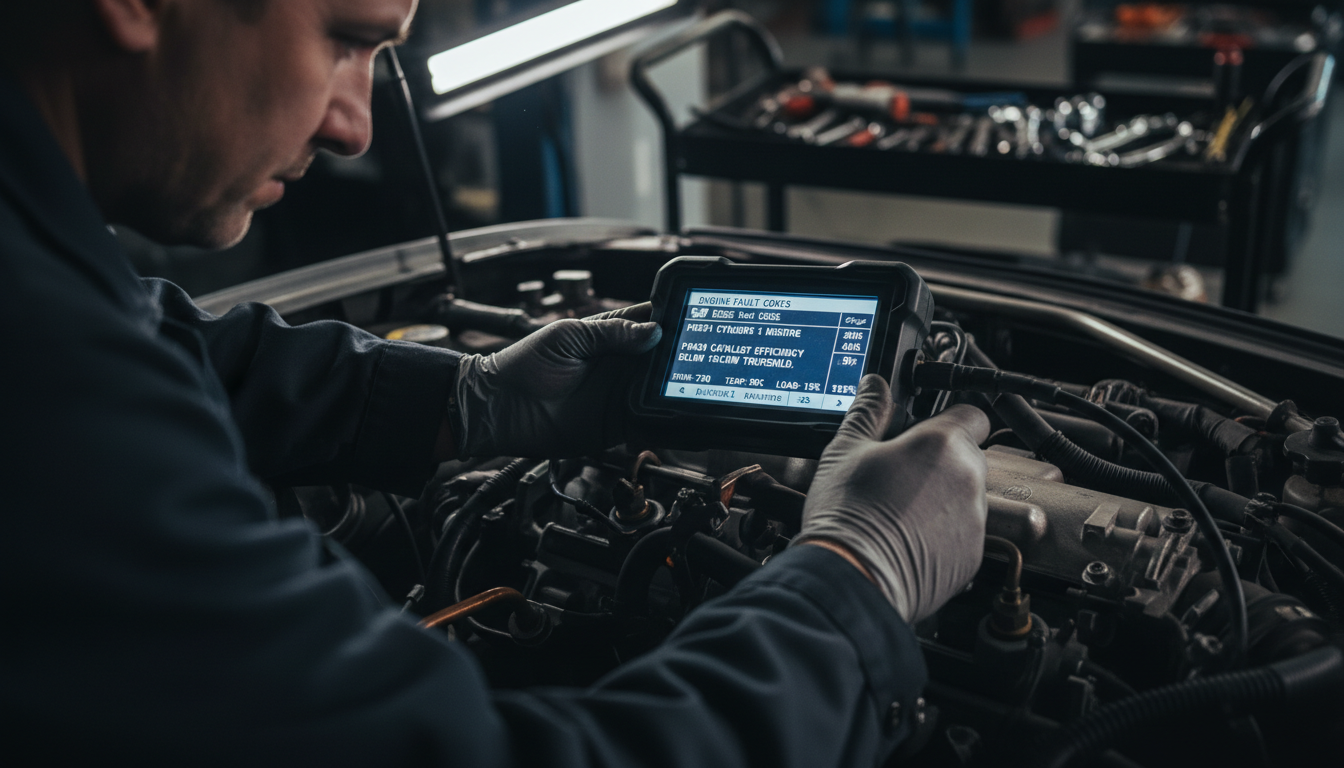
Driving down I-15 or navigating the winding roads of Salt Creek Canyon is usually a peaceful experience, but that serenity vanishes the moment a glowing amber light flickers on your dashboard. For many drivers in Juab County, this symbol triggers immediate stress. You might wonder if it is a simple loose gas cap or a major mechanical failure. Understanding modern car diagnostics is the first step toward clearing that confusion and ensuring your vehicle remains dependable.
In the past, dashboard warnings were simple mechanical switches. If your oil pressure dropped below a certain point, a physical sensor triggered a light. Today, vehicles are essentially rolling data centers. By 2026, many vehicles will contain over 100 million lines of code, making them more technologically advanced than a modern fighter jet. This shift means your car is no longer just a collection of gears and pistons; it is a sophisticated computer network where hundreds of sensors communicate in real time to optimize performance and safety.
For Nephi residents, this technological evolution is vital for safety. In a region where a breakdown could leave you stranded in remote desert stretches or high mountain passes, relying on quality workmanship backed by digital precision is essential. These systems provide reliable diagnostics that catch minute fluctuations in engine data long before you feel a shudder in the steering wheel. This evolution has transformed the humble dashboard light from a vague warning into a precise data point, allowing technicians to identify exactly what your vehicle needs to stay on the road.
What are Modern Car Diagnostics Exactly?
At its core, modern car diagnostics is a digital conversation between your vehicle’s internal computer and a technician’s specialized interface. Since 1996, every vehicle sold in the United States has been equipped with an Onboard Diagnostics (OBD-II) system. This system acts as a communication bridge, allowing our technicians to plug in high-level equipment and "listen" to what the vehicle is reporting about its own health.
The central hub of this operation is the Electronic Control Unit (ECU). Often referred to as the brain of the car, the ECU receives constant data from dozens of sensors located throughout the vehicle. These sensors monitor everything from air-to-fuel ratios and exhaust temperatures to transmission fluid pressure and tire rotation speeds. When a sensor detects a measurement that falls outside of the factory-set parameters, the ECU records a Diagnostic Trouble Code (DTC) and illuminates the warning light on your dash.
There is a common misconception that a diagnostic scanner tells the mechanic exactly which part to replace. In reality, there is a significant difference between "reading a code" and "performing a diagnosis." For example, if a scanner pulls a code for a lean oxygen sensor, it does not necessarily mean the sensor is bad. It simply means the sensor is doing its job by reporting an imbalance. The actual culprit could be a vacuum leak, a failing fuel pump, or a cracked intake boot.
By utilizing reliable diagnostics to analyze live data streams, our team can see exactly what the sensors are seeing in real time. This evidence-based approach prevents the "parts dart" method of repair, where components are replaced based on guesswork. Instead, we use quality workmanship to investigate the specific system the code identifies, ensuring we fix the root cause of the problem the first time.
Common Check Engine Light Causes for Utah Drivers
While the ECU can track hundreds of variables, a few common culprits trigger most check engine lights in Juab County. A loose or cracked gas cap is the simplest fix, as it allows fuel vapors to escape the evaporative emission system. More technical issues often involve the oxygen (O2) sensor, which monitors unburnt oxygen in the exhaust, or the mass airflow (MAF) sensor, which measures the volume of air entering the engine to determine the correct fuel mix.
Nephi drivers face unique environmental challenges that accelerate these failures. Our extreme temperature swings, moving from sub zero winter nights to triple digit summer afternoons, place immense physical stress on vehicle electronics. Rapid expansion and contraction can cause sensor housings to crack or wire harnesses to become brittle. High heat specifically degrades battery chemistry and can lead to voltage fluctuations. These fluctuations can confuse the vehicle's computer, triggering a warning light that requires reliable diagnostics to accurately interpret.
A frequent concern for local drivers is why a light appears when the car seems to be running perfectly. Modern car diagnostics are designed to be proactive; they often detect a drop in efficiency or a slight increase in emissions before the driver feels a single shudder in the engine. However, ignoring these early warnings can lead to a costly breakdown of the 30 60 90 rule for vehicle longevity. This rule of thumb suggests that major maintenance milestones at 30,000, 60,000, and 90,000 miles become significantly more expensive if minor issues are ignored. For example, a faulty O2 sensor ignored at 45,000 miles can lead to a ruined catalytic converter by the 90,000 mile mark. What could have been a simple sensor replacement through quality workmanship can quickly turn into a multi thousand dollar exhaust repair if left unaddressed.
The Nephi Factor: High Altitude and Your Vehicle's Sensors
Nephi sits at an elevation of approximately 5,128 feet; this altitude is a significant factor in how your engine operates. As you climb away from sea level, the air becomes less dense, meaning there is less oxygen available for the combustion process. To maintain performance, the vehicle's computer must constantly recalibrate its fuel trim to ensure the air to fuel ratio remains balanced. This is a delicate calculation that changes the moment you leave town and head toward higher ground.
When we perform reliable diagnostics using modern car diagnostics tools, we look specifically at how the ECU is compensating for this thinner air. If you are driving from Nephi up through the higher mountain passes, the computer may lean out the fuel mixture to prevent the engine from running rich. A technician without local experience might misinterpret these adjustments as a vacuum leak or a failing sensor. At Gobes Auto, we understand that these readings are often a normal response to our specific geography. High altitude driving puts unique stress on the MAP (Manifold Absolute Pressure) sensor, which measures atmospheric pressure to help the computer calculate engine load. Understanding these environmental variables allows us to provide quality workmanship by distinguishing between a genuine mechanical failure and an expected atmospheric adjustment. If your car feels sluggish during a climb, you should contact the technicians at Gobes Auto to verify that your sensors are accurately reporting this local data.
Professional Scan Tools vs. DIY Readers
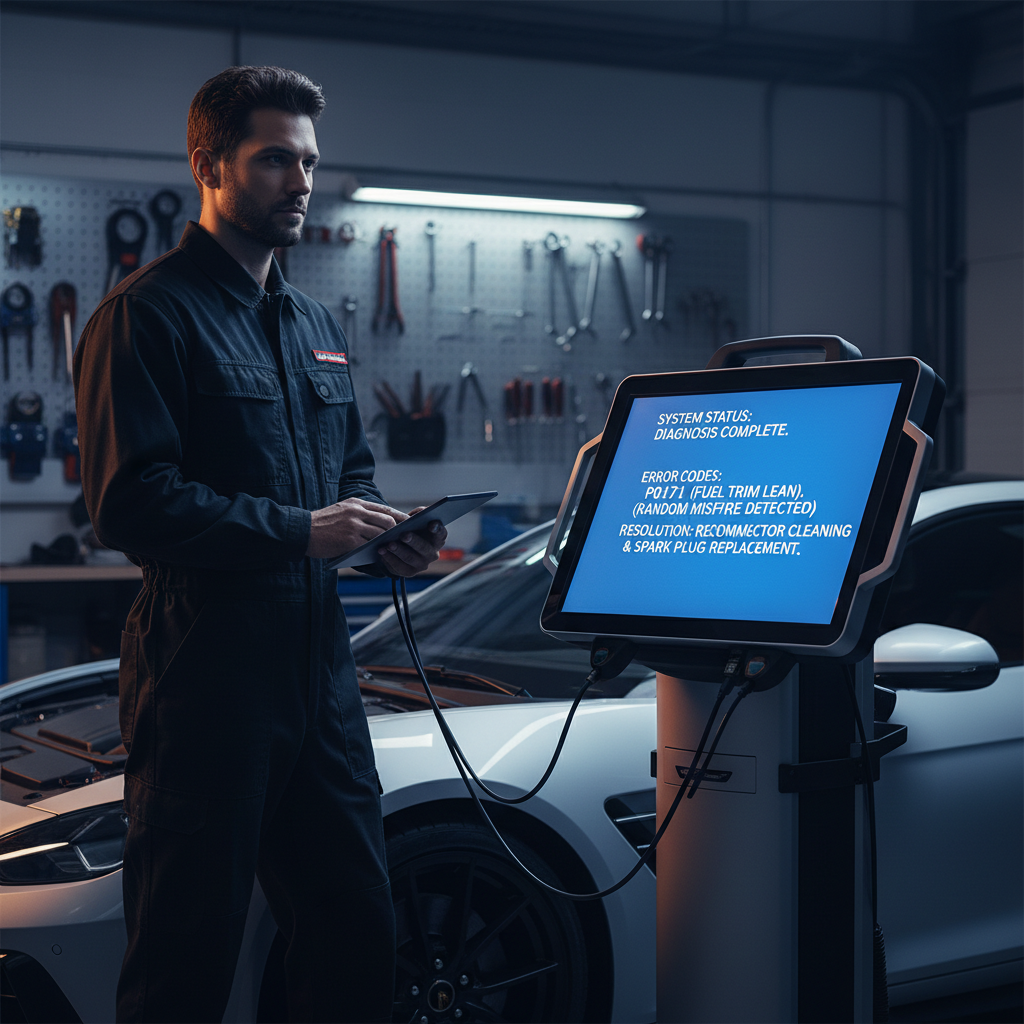
Navigating the sea of automotive gadgets online often leads drivers to ask about the best automotive scan tool for the money. Many local car owners purchase $20 Bluetooth dongles or basic handheld readers from big box stores. While these are helpful for identifying a loose gas cap, they offer a very narrow view of a vehicle's health. These entry level tools are essentially listeners; they can read basic generic codes, but they cannot talk back to the car or dig deep into proprietary systems.
The professional, dealer-level equipment we use at Gobes Auto operates on a different plane of technology. These tools provide reliable diagnostics by accessing manufacturer-specific modules that cheap readers ignore, such as the Anti-lock Braking System (ABS), Supplemental Restraint System (airbags), and Transmission Control Modules. Beyond just reading data, professional scanners allow for bi-directional control. This means a technician can perform active tests, like commanding a fuel pump to turn on or forcing an EGR valve to cycle, to verify if a component is physically working.
This capability is what separates a guess from a solution. Without bi-directional testing, a technician might see a code for a fuel system lean and simply start replacing parts. With modern car diagnostics, we can test the individual components in real time. This precision ensures quality workmanship by preventing "parts dart" repairs where you pay for components you did not actually need. For Nephi drivers, choosing professional analysis over a cheap DIY reader ensures the job is done right before you head back onto the highway. Contact the technicians at Gobes Auto if you need a more thorough investigation than a basic scanner can provide.
The Gobes Auto Diagnostic Process

Professional tools are only as effective as the technician operating them. At Gobes Auto, we follow a structured path to ensure reliable diagnostics for every vehicle that enters our bay. The process begins by connecting our professional grade scanner to the OBD-II port, allowing us to establish a secure link with your car's computer. First, we retrieve the stored fault codes that triggered your dashboard warning. Once we have these codes, we move into analyzing live data streams. This step is critical because it allows Jason and the team to observe how components like oxygen sensors or fuel injectors behave while the engine is actually running.
Data provides the map, but a physical investigation confirms the destination. We follow up the digital scan with a visual inspection and manual testing; this often involves using a multimeter to verify electrical integrity. This prevents replacing a functional sensor when the real issue is a frayed wire or a corroded ground. By combining modern car diagnostics with quality workmanship, we provide honest recommendations based on evidence rather than speculation. Our goal is to offer practical solutions that solve the problem the first time, reducing your downtime and keeping repair costs manageable. This commitment to clear communication ensures you understand exactly what your vehicle needs to stay safely on the road. If your vehicle is behaving unexpectedly, you should contact the technicians at Gobes Auto for a thorough evaluation.
Modern vehicle diagnostics are essential for maintaining your car's longevity and performance. While basic scanners provide a starting point, professional tools offer the precision needed for complex repairs. Keeping your vehicle in top shape ensures safety on the road. If you want expert help navigating these technical systems, you can read more About our mission and team. We are here to provide clear answers and reliable solutions for every driver in Nephi.