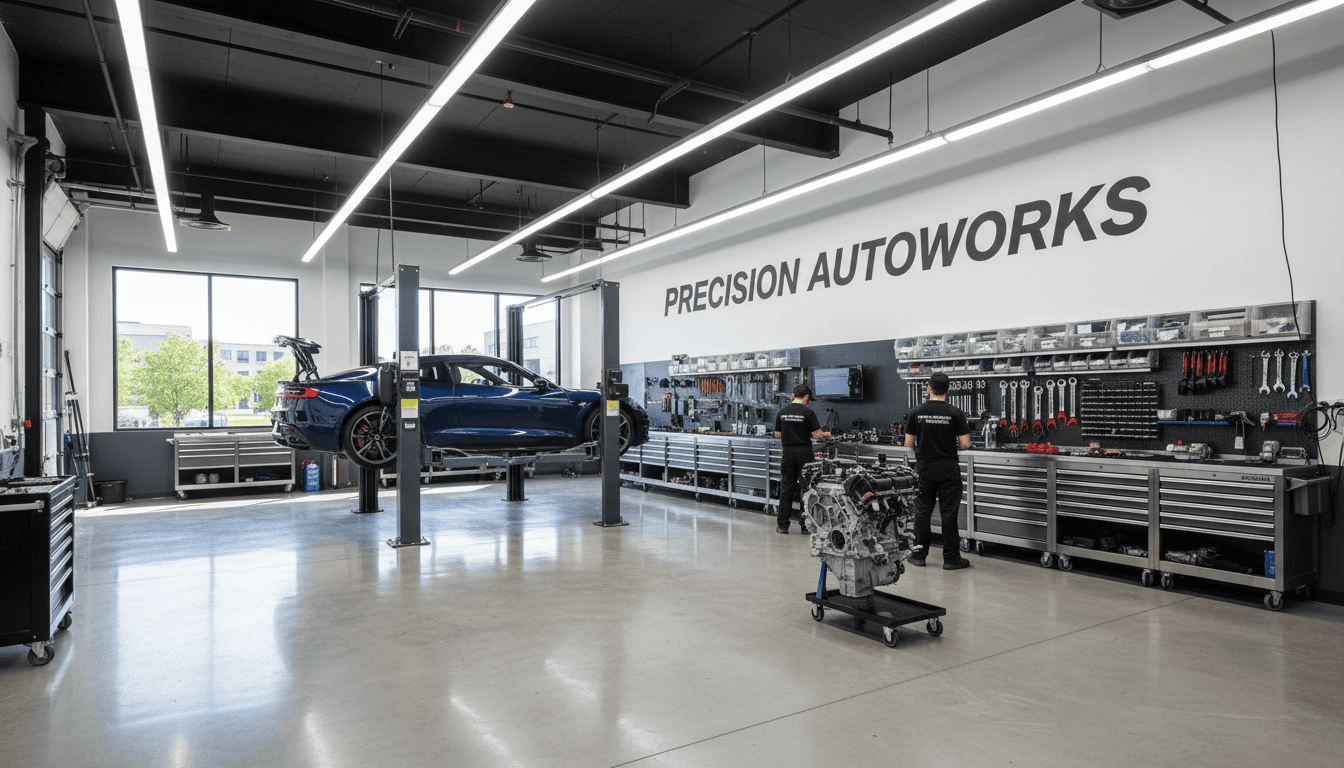
Your car AC not blowing cold is typically caused by low refrigerant levels, a system leak, or a clogged cabin air filter. Other potential issues include a failing AC compressor or a blocked condenser that restricts airflow and heat dissipation; drivers can prevent these problems by scheduling regular maintenance and replacing filters as recommended.
There is nothing more frustrating than stepping into a sweltering vehicle on a mid-July afternoon in Utah, only to have your vents blast lukewarm air in your face. This common annoyance is rarely a simple inconvenience; it often signals that your vehicle's climate control system is struggling under pressure. Neglecting these early warning signs can transform a minor fix into a costly compressor replacement or a total system overhaul. In this guide, our team at Gobes Auto breaks down the specific reasons why your air conditioning has lost its chill, ranging from clogged filters to refrigerant leaks. You will learn how to identify critical red flags, understand how our unique local climate affects your car, and discover practical maintenance steps to ensure your commute remains comfortable all summer long.
Why Your Car AC Is Not Blowing Cold Air
Understanding why your car AC not blowing cold air starts with recognizing that the system is a pressurized, sealed loop. It relies on a specific balance of pressure, refrigerant, and airflow. When one component fails, the entire thermal cycle breaks down, leaving you with a cabin that refuses to cool down.
Low refrigerant levels are the most common culprit. Unlike engine oil, refrigerant is not consumed by the vehicle; if levels are low, a leak is present. These leaks often occur at O-rings, hose connections, or via small punctures in the condenser. Over time, rubber seals can dry out or road vibrations can loosen fittings, allowing the gas to escape. Even a small drop in pressure can prevent the system from reaching the temperatures needed to cool the air.
The compressor acts as the heart of the system, circulating refrigerant under high pressure. If you hear the compressor click on but the air remains warm, you may have a blockage in the expansion valve or orifice tube. Alternatively, the condenser, which sits at the front of the vehicle to dissipate heat, might be the issue. In Nephi, fine dust and debris from rural roads can build up on the condenser fins. This buildup acts as insulation, preventing the refrigerant from releasing heat effectively, which results in lukewarm air from your vents.
To self-diagnose the problem, distinguish between weak airflow and warm air. If the volume of air coming from the vents is low, the problem is likely a restricted cabin filter or a failing blower motor. However, if the air flows strongly but lacks a chill, the issue is typically chemical or mechanical. Identifying the root cause requires reliable diagnostics to ensure you are not just masking a larger mechanical failure with a temporary recharge. At Gobes Auto, we provide quality workmanship and efficient repairs to get your system back to factory specifications.
The Impact of a Clogged Cabin Air Filter
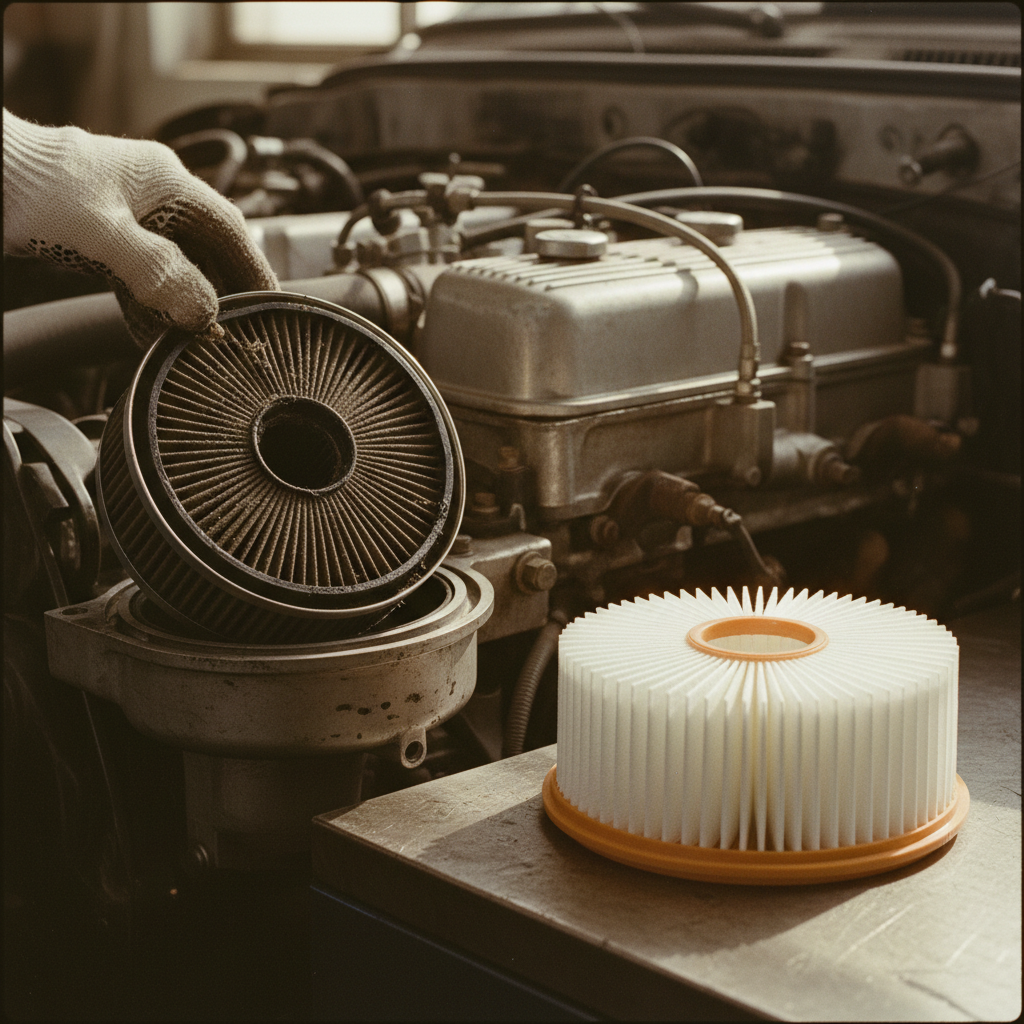
While internal mechanical failures often grab the headlines, the most overlooked reason for poor AC performance is the cabin air filter. This component serves as the final barrier between outside contaminants and your lungs; a clogged one is a primary suspect when you find your car AC not blowing cold or moving air with enough force. When the filter becomes saturated with debris, it restricts the volume of air reaching the evaporator, which effectively strangles the system. This restriction forces the blower motor to work under significantly higher pressure to push air through the blockage, leading to premature wear or total motor failure.
Living in Nephi and driving throughout Juab County accelerates this process. Our local dirt roads and agricultural dust mean filters clog much faster here than they would in a purely urban environment. If you notice your airflow has become sluggish or the cabin takes longer to cool down, the filter should be your first check.
In most modern vehicles, you can find the cabin air filter located directly behind the glove box. Accessing it often requires just popping out a few plastic tabs or removing a small access panel. If the filter appears dark or filled with sediment, replacing it is the simplest and most cost-effective fix you can perform. If a fresh filter does not restore your airflow, you may need reliable diagnostics to check for a failing blower motor or deeper system blockages.
Warning Signs Your AC System Needs Professional Attention
If replacing the filter does not solve the issue, you need to look for specific mechanical warning signs that indicate deeper trouble. A common symptom of a failing system is unusual noise. If you hear loud clicking or grinding when you engage the climate control, the compressor likely has internal damage or a failing clutch. This component operates under high pressure; ignored noises often lead to a seized compressor, which can shed metal debris throughout the entire system and significantly increase repair costs.
Another frequent complaint involves unpleasant odors. A musty or mildew smell coming through the vents indicates that moisture has accumulated on the evaporator, creating a breeding ground for mold. This is often caused by a clogged drain tube that prevents condensation from exiting the vehicle, or it may simply be a result of the evaporator core remaining damp in Nephi’s fluctuating temperatures.
One of the most specific diagnostic clues is a system that works while driving but blows warm at idle. This usually points to a failing condenser fan. When the car is moving, natural airflow cools the refrigerant, but at a standstill, the fan must do the work. If the fan fails, the heat cannot dissipate, leaving your car AC not blowing cold air until you accelerate again.
To check for low refrigerant levels yourself, inspect the hose fittings and components for an oily residue. Refrigerant circulates with a specialized oil; where it leaks, the oil leaves a telltale mark. You can also listen for rapid compressor cycling, where the unit clicks on and off every few seconds. This short cycling happens because there is not enough pressure to maintain operation. If you notice these signs, seeking reliable diagnostics and quality workmanship and efficient repairs quickly can prevent a small leak from turning into a total system overhaul.
Utah Heat and Your Vehicle: Why Local Conditions Matter
Nephi summers present a unique challenge for automotive cooling systems. When July and August temperatures regularly climb into the 90 to 100 degree range, your vehicle’s air conditioning is pushed to its absolute thermal limit. In these extreme conditions, the system must work significantly harder to dissipate heat through the condenser. A unit that performed adequately during a mild Utah spring may suddenly result in your car AC not blowing cold as the outside temperature spikes.
The reason for this seasonal failure is often marginal performance. A system that is even slightly low on refrigerant might still manage to cool the cabin when it is 75 degrees outside. However, once the ambient temperature hits triple digits, that small deficit in pressure prevents the refrigerant from absorbing and releasing heat efficiently. The system cannot keep up with the thermal load, leading to a cabin that stays uncomfortably warm.
Local environmental factors like high elevation and intense sun exposure further increase the heat soak your car experiences while parked. This puts an immediate, massive load on the compressor the moment you start the engine. Recognizing how Nephi’s climate affects your vehicle is why we prioritize reliable diagnostics to identify these borderline issues before they leave you stranded in the heat. Through quality workmanship and efficient repairs, we ensure your system has the capacity to handle the peak of a Juab County summer.
Simple Prevention Tips to Keep Your Car Cool
To avoid finding your car AC not blowing cold when you need it most, simple habits can significantly extend the life of the system components. Managing the thermal load before you even pull out of your driveway is the first step in protecting your compressor. Instead of jumping in and immediately cranking the AC to its lowest setting, practice the 3 minute rule. Open all the windows or the sunroof for the first three minutes of your drive. This allows the superheated air trapped in the cabin, which can easily exceed 140 degrees in the Nephi afternoon sun, to escape naturally. Once the interior temperature matches the outside air, roll the windows up and engage the AC. This prevents the system from having to fight an impossible thermal load right from the start.
Long-term maintenance also requires attention during the off-season. One of the primary reasons for refrigerant leaks is dried out rubber seals. To keep these seals lubricated, run your AC for five to ten minutes at least once a week, even during the coldest Juab County winter months. This keeps the refrigerant and specialized oil circulating, which maintains the integrity of the O-rings and prevents them from cracking or shrinking.
Strategic parking and the use of high quality sunshades can also reduce the initial strain on your vehicle. Reflective shades in the windshield lower the dashboard temperature by dozens of degrees, protecting both your electronics and your vents. While these steps help maintain efficiency, if you notice a gradual decrease in cooling power, seeking reliable diagnostics early can prevent a minor leak from turning into a seized compressor. Consistent care, combined with quality workmanship and efficient repairs, ensures your vehicle remains a sanctuary from the summer heat.
How to Reset Your Car AC and When to Stop DIYing

Drivers often search for a way to reset the system, hoping a simple software glitch is the reason for their car AC not blowing cold air. On certain modern vehicles equipped with digital climate control systems, you can initiate a calibration reset by holding specific button combinations, such as the power and defrost buttons simultaneously. While this might recalibrate the blend door actuators, it is important to understand that a reset cannot fix mechanical leaks or chemical imbalances. Most automotive cooling issues are hardware related and require physical intervention.
The most dangerous DIY path involves using pressurized recharge cans from an auto parts store. These kits lack the precision required for a sealed system. Without the high and low pressure gauges used during reliable diagnostics, it is incredibly easy to overcharge the system. Too much refrigerant creates excessive head pressure, which can instantly damage the compressor or cause a catastrophic seal failure. Furthermore, these kits often introduce air and moisture into the lines. Moisture reacts with refrigerant to create a corrosive acid that eats the system from the inside out. To avoid turning a simple service into a multi-thousand dollar repair, rely on quality workmanship and efficient repairs performed with professional grade recovery and charging stations.
When to Schedule an AC Diagnostic with Gobes Auto
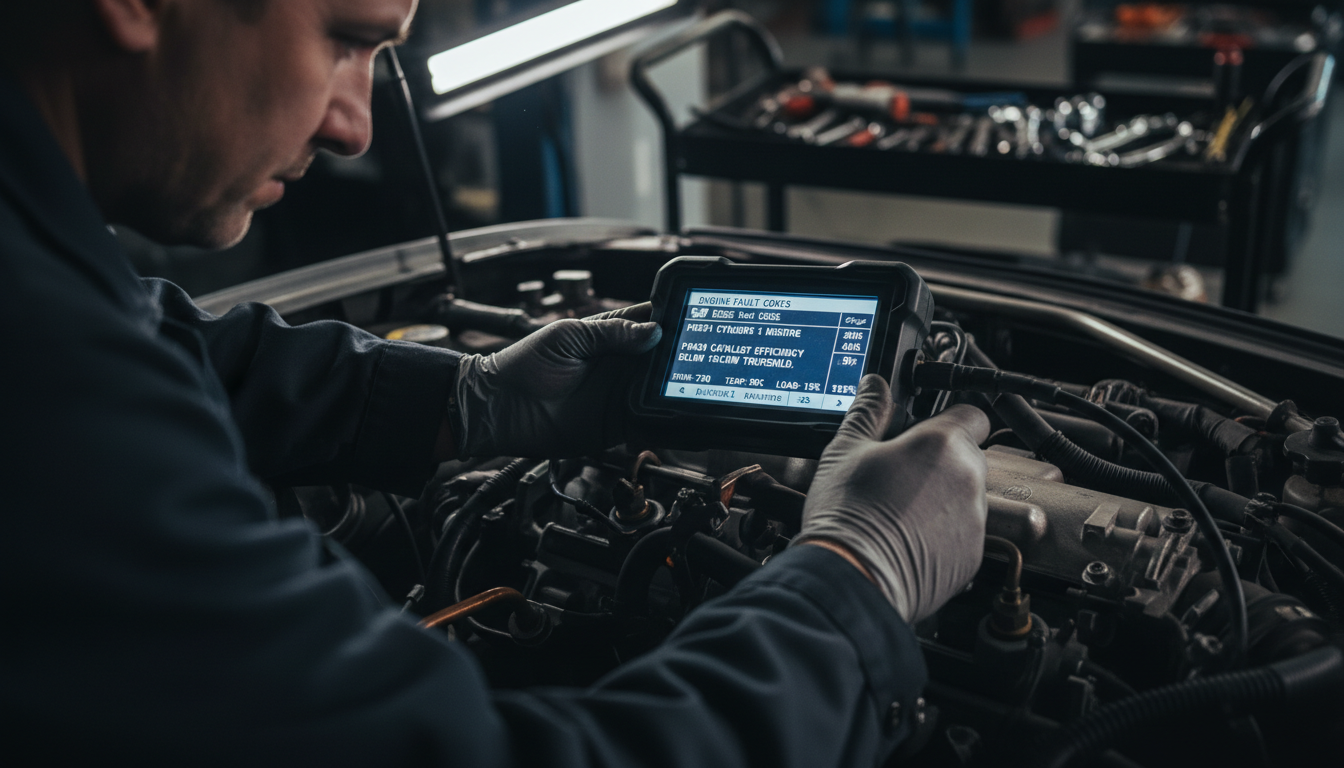
Professional diagnostics at Gobes Auto go beyond simply adding more refrigerant. We utilize modern tools, including electronic leak detectors and ultraviolet dyes, to pinpoint microscopic breaches that the naked eye cannot see. This precision is vital because a car AC not blowing cold is often the final stage of a long-term, slow-moving leak. By performing reliable diagnostics, we can identify if a leak is occurring at a service port, a hose, or deep within the evaporator core.
Our technicians prioritize clear communication and honest recommendations. We explain the difference between a routine recharge and a necessary component replacement so you can make an informed decision for your vehicle. Early detection of a small leak is critical; it preserves the system’s lubrication and prevents the compressor from seizing due to oil loss. Through quality workmanship and efficient repairs, we help Nephi drivers avoid the high costs of a total system failure. If your vents have lost their chill, contact Gobes Auto to schedule a professional inspection.