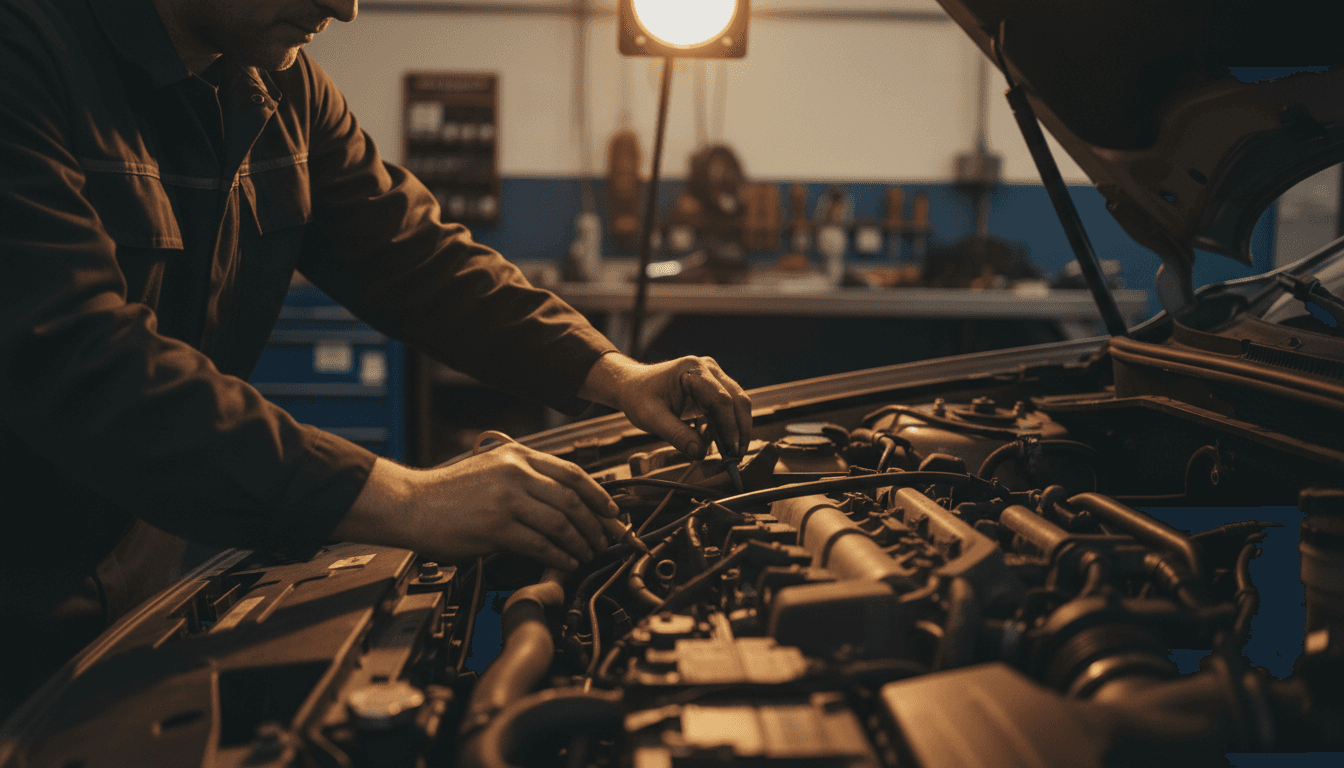
Essential car maintenance in winter involves testing your battery, checking tire pressure or switching to winter tires, and topping off cold-weather fluids. Drivers must also inspect their brakes, heaters, and wiper blades to ensure their vehicle remains safe and reliable during harsh Utah snowstorms.
There is nothing more frustrating than stepping out into a crisp Juab County morning only to have your engine groan and fail as the first frost hits Nephi. As the temperatures drop, your vehicle faces unique stressors that can compromise safety on I-15 and reliability on our rural backroads. Proper preparation is not just a suggestion; it is a necessity for navigating the high desert winter safely. At Gobes Auto, we understand the specific demands that Utah weather places on your engine and tires. In this guide, we will cover the essential steps to winterize your vehicle, from testing your battery and selecting the right tires to optimizing fluids and building a robust emergency kit. You will also learn the professional 30, 60, 90 rule for seasonal maintenance to ensure your car remains dependable until the spring thaw.
Why Winter Car Maintenance in Juab County is Different
Nephi sits at a unique crossroads, serving as the gateway to Southern Utah. This geographic position subjects local vehicles to volatile weather patterns that differ significantly from the more urbanized Wasatch Front. Juab Valley is prone to dramatic temperature drops that happen almost instantly, placing sudden and extreme stress on your vehicle’s battery, fluids, and seals.
Driving in this region requires more than just standard upkeep. While general car maintenance in winter is a common topic, Nephi drivers face specific challenges like heavy snow accumulation in Salt Creek Canyon and intense crosswinds along the I-15 corridor. High-speed travel through these open stretches requires a vehicle that is mechanically sound; a minor vibration or a slight fluid leak can quickly escalate when temperatures plummet and wind speeds rise.
Rural road conditions around Mount Nebo also demand a different level of preparation than city driving. Salt, sand, and rapidly changing visibility mean your vehicle must be equipped for both high-speed stability and low-traction reliability. At Gobes Auto, we emphasize reliable diagnostics to catch these vulnerabilities before the first major storm hits the valley. Proper preparation ensures that quality workmanship and efficient repairs keep you moving safely between the canyon passes and the open highway.
Testing Your Battery Before the First Cold Snap
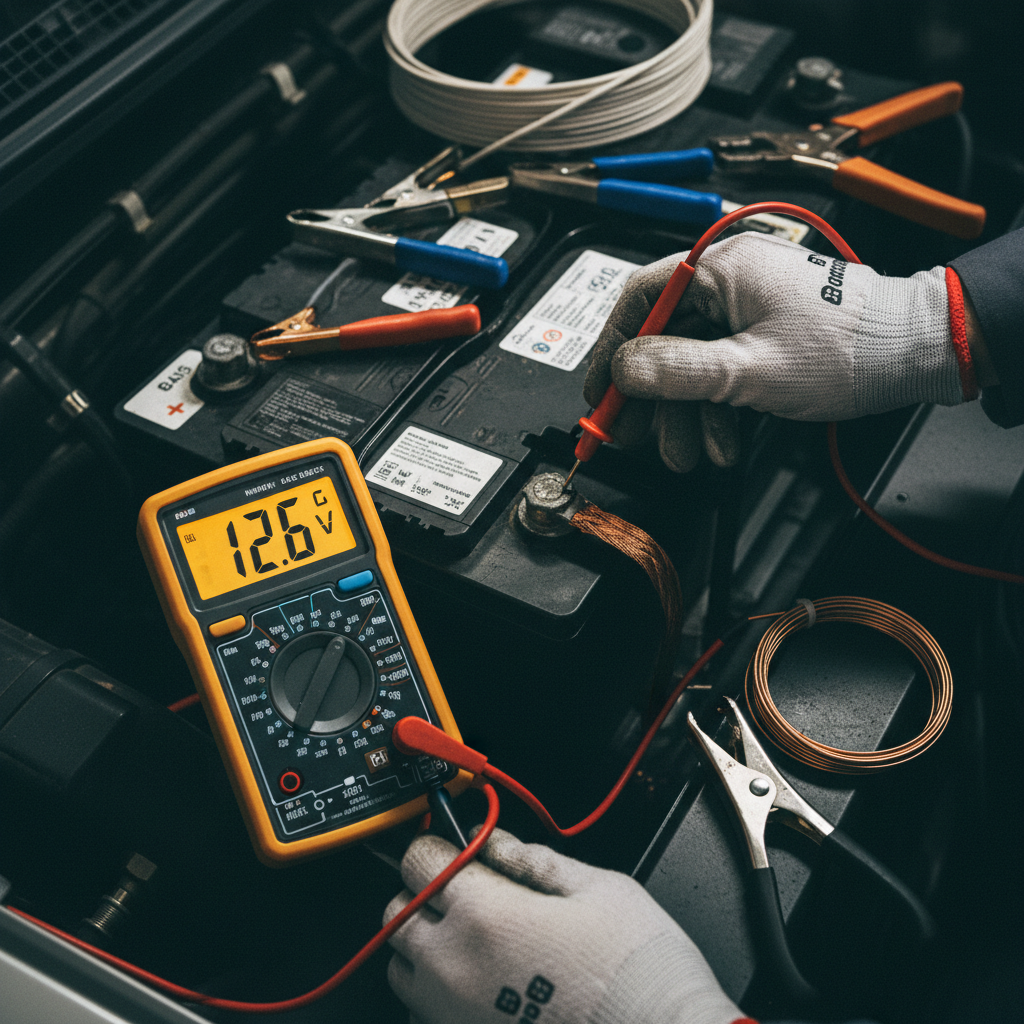
The sudden drop in temperature typical of the Juab Valley acts as a stress test for your vehicle’s electrical system. When the thermometer hits freezing, the chemical reaction inside a standard lead-acid battery slows down significantly. At 0°F, a battery can lose up to 50 percent of its cranking power, precisely when your engine requires more current to turn over through thickened oil. This makes proactive car maintenance in winter a necessity rather than a suggestion.
Start your inspection by looking for signs of physical degradation. Check the terminals for corrosion, which often appears as a white, crusty, or blue-green powdery substance. This buildup creates electrical resistance, preventing the alternator from properly recharging the battery while you drive. Ensure the terminal clamps are tight; if you can move them by hand, the connection is insufficient and could lead to an intermittent starting failure.
Most automotive batteries have a reliable lifespan of three to five years in Utah’s climate. The extreme summer heat often degrades the internal plates, but the damage remains hidden until the first cold snap demands high output. A simple voltage reading with a multimeter can be misleading because it does not show how the battery performs under stress. A professional load test is essential to determine if the battery can actually hold a charge and deliver the necessary amperage to start your vehicle on a sub-zero Nephi morning. At Gobes Auto, we utilize modern diagnostic tools to provide reliable diagnostics on your battery’s health. If you are approaching the four-year mark, you should contact Gobes Auto to verify your system’s integrity before the snow begins to accumulate.
Tire Selection and Pressure for I-15 and Rural Roads
Once your battery is verified, your attention must turn to where the rubber meets the road. In the Juab Valley, the choice between all-season and dedicated winter tires depends heavily on your daily route. While all-season tires are designed for a variety of conditions, their rubber compounds often harden when temperatures stay below 45 degrees Fahrenheit, significantly reducing their ability to grip cold pavement. For drivers frequently traversing Salt Creek Canyon or the wind-swept stretches of I-15, winter tires offer superior traction because they remain pliable in extreme cold and feature specialized siping to bite into packed snow.
Tread depth is the primary indicator of your tire’s ability to evacuate slush and maintain a grip. You can perform a basic check using the penny test by inserting a penny into the tread with Lincoln's head upside down. If you can see the top of his head, your tires are worn. However, for effective car maintenance in winter, the standard 2/32nds of an inch replacement mark is insufficient. In Utah snow, you realistically need at least 4/32nds of an inch of tread to prevent hydroplaning and maintain steering control.
Tire Condition | Minimum Tread Depth | Recommendation for Nephi Winters |
|---|---|---|
New Winter Tire | 10/32" to 12/32" | Ideal for canyon passes and rural roads |
Safe for Snow | 4/32" | Minimum threshold for winter driving safety |
Legally Worn | 2/32" | Dangerous for snow; replace immediately |
Air pressure is equally volatile in our climate. As temperatures drop, air molecules constrict, resulting in a loss of approximately one PSI for every 10-degree decrease in temperature. A sudden cold front in Nephi can easily drop your tire pressure by 3 or 4 PSI overnight; this loss of pressure compromises your contact patch and stability. Checking your PSI weekly ensures you have the necessary traction for slick rural streets. If you are unsure about your tread health or need a seasonal swap, contact Gobes Auto for quality workmanship and efficient repairs to ensure your tires are ready for the mountain passes.
Fluid Optimization: Beyond Just an Oil Change

Fluid management for Nephi winters requires a specialized approach that goes beyond a standard oil change. As temperatures fall, motor oil thickens, making it harder for the pump to circulate lubricant through the engine at startup. Proper car maintenance in winter involves switching to a winter-grade oil with a lower cold-viscosity rating, such as 5W or 0W depending on your manufacturer's specifications, to ensure immediate protection during bitter mornings in Juab County.
Your cooling system mixture is equally critical. While a 50/50 ratio of antifreeze to distilled water is common, Utah’s climate often warrants a 60/40 concentration to provide a lower freezing point. This prevents the coolant from expanding and cracking the engine block, a catastrophic failure that far exceeds the cost of a simple flush.
Fluid Type | Winter Specification | Primary Benefit |
|---|---|---|
Engine Oil | Lower 'W' Rating (e.g., 5W-30) | Faster lubrication at sub-zero starts |
Coolant/Antifreeze | 60/40 Ratio | Prevents engine block and radiator freezing |
Washer Fluid | Rated to -20°F or lower | Prevents instant icing on the windshield |
Don't overlook your windshield washer fluid. Standard summer mixtures are largely water and will freeze solid in the reservoir or, worse, instantly crystalize on your glass at highway speeds on I-15. Swapping to a winter-grade fluid ensures visibility during heavy salt spray. For a complete system check, contact Gobes Auto to ensure your vehicle benefits from reliable diagnostics and proper fluid levels before the deep freeze sets in.
Visibility and Safety: Wipers, Lights, and Defrosters
Visibility becomes your primary safety asset when whiteout conditions hit the I-15 corridor. Start by inspecting your wiper blades for physical degradation. Lift the arms and run your finger along the rubber edge; if you feel nicks, tears, or significant hardening, the blades will streak rather than clear the glass. Given the heavy snow typical of Juab County, beam-style blades are often preferred because they lack the external frame where ice and slush tend to collect.
Exterior lighting is equally critical for being seen during a squall. Test your high and low beams, brake lights, and turn signals. Dim or yellowed headlight lenses should be restored to ensure you get the maximum light throw on unlit rural roads near Mount Nebo.
Your heating and defrosting system is a safety component, not a luxury. A malfunctioning heater core or blower motor causes the windshield to fog or flash-freeze during a commute to Provo or Fillmore. Ensure air blows strongly through the defrost vents and the temperature remains consistent. If your vents feel lukewarm, contact Gobes Auto for reliable diagnostics to identify potential thermostat issues. This level of car maintenance in winter ensures you maintain a clear field of vision throughout the season.
Building a Winter Emergency Kit for Rural Utah Driving
Maintaining visibility and mechanical health reduces your risk, but the rural nature of Juab County requires a secondary layer of protection. If you find yourself stranded on a less traveled road near Mount Nebo or stuck in a drift in Salt Creek Canyon, help may not arrive immediately. A well stocked emergency kit is a critical component of car maintenance in winter that many drivers overlook until they are in a crisis.
Your kit should focus on three priorities: traction, warmth, and communication. Keep a bag of sand or non clumping cat litter in the trunk to provide grit under your tires if you lose traction on an icy shoulder. Include a set of heavy duty jumper cables or a portable power bank, as cold temperatures can sap your battery’s remaining life while you wait. A high lumen LED flashlight with spare batteries is also vital, especially during the long nights of a Utah December.
Item Category | Essential Supplies |
|---|---|
Recovery | Jumper cables, sand or cat litter, small shovel |
Survival | Heavy blankets, extra gloves, chemical hand warmers |
Sustenance | High protein snacks (jerky or nuts), one gallon of water |
Visibility | LED flashlight, road flares or reflective triangles |
Pack enough non perishable food and water for each passenger to last at least 24 hours. While quality workmanship and efficient repairs significantly lower the odds of a breakdown, having these supplies ensures you remain safe during an unexpected I-15 closure or a mechanical fault in a remote area. If you need assistance verifying your vehicle’s readiness, contact Gobes Auto for a seasonal inspection.
Understanding the 3 Ps of Winter Driving
Navigating the Juab Valley during a blizzard requires a strategic mindset often referred to as the 3 Ps: Prepare, Protect, and Prevent. The first P, Prepare, is the foundation of car maintenance in winter and involves a professional assessment of your vehicle’s mechanical integrity. At Gobes Auto, we focus on reliable diagnostics to identify failing components before they strand you in the canyon. Routine maintenance, such as checking brake pad thickness and verifying heater functionality, ensures the vehicle reacts predictably when traction is lost.
The second P is Protect. You must ensure all occupants are secured with seatbelts and that child safety seats are correctly installed, as cold weather can sometimes make harness straps stiff or difficult to tighten. Lastly, Prevent focuses on driving behavior. This includes slowing down well before the approach to a stop sign on Main Street and increasing following distances on I-15 to account for black ice. If your pre-trip inspection reveals any mechanical concerns, contact Gobes Auto for quality workmanship and efficient repairs to satisfy the preparation phase of your winter safety plan.
The 30-60-90 Rule and Seasonal Maintenance

The 30-60-90 rule dictates major service milestones every 30,000 miles. These intervals involve comprehensive inspections of timing belts, transmission fluids, and suspension components that standard car maintenance in winter might overlook. In Nephi, extreme cold accelerates the failure of aging parts; a rubber belt that is slightly brittle at 60,000 miles is significantly more likely to snap during a sub-zero cold snap.
Neglecting these milestones makes your vehicle far more susceptible to a breakdown on remote stretches of I-15. Integrating seasonal checks into these major service intervals ensures your vehicle benefits from reliable diagnostics to identify worn components before they fail. If your odometer is approaching one of these marks, contact Gobes Auto for quality workmanship and efficient repairs to ensure your car remains reliable through the harshest Juab County conditions.