Common brake warning signs include squealing or grinding noises, dashboard warning lights, and a soft or spongy brake pedal. Drivers should also watch for vibrations during mountain descents or the vehicle pulling to one side; these symptoms indicate worn pads or warped rotors that require immediate professional attention to ensure safety on steep Utah roads.
Navigating the steep descents and winding passes around Nephi demands absolute confidence in your vehicle's stopping power. There is nothing more unsettling than feeling a sudden vibration or hearing a high pitched squeal while managing a heavy load on a mountain grade. In Central Utah, brake integrity is not just a matter of convenience; it is a fundamental requirement for navigating our unique terrain safely. This guide provides the expert insights you need to identify failing components before they compromise your safety. You will learn to recognize the top five warning signs of wear, understand how mountain driving impacts rotor warping, and master the techniques necessary for controlled downhill braking. Whether you are preparing for a snowy winter commute or a summer haul, these practical tips will ensure your braking system remains reliable under pressure.
Why Brake Maintenance Matters in Central Utah
Nephi sits at a crossroads where significant elevation changes are part of daily life. Commuting through Salt Creek Canyon or navigating the steep grades on I-15 involves constant vertical transitions that put immense pressure on a vehicle's stopping power. While generic service manuals provide broad guidelines, the high-altitude and mountainous terrain of Central Utah accelerate component wear and increase the stakes of a mechanical failure. In this environment, routine maintenance is not just a suggestion; it is a critical safety requirement.
At Gobes Auto, we see firsthand how the local geography affects braking systems. Friction creates heat, and sustained descents down mountain passes can cause temperatures to skyrocket, leading to glazed pads or fluid degradation. This makes recognizing early brake warning signs essential for every driver in Juab County. A minor noise that seems trivial in a flat parking lot can quickly manifest as a dangerous loss of stopping power during a long descent.
We provide reliable diagnostics to identify thinning pads and overheating rotors before they compromise your safety. Our focus on quality workmanship ensures that your vehicle is prepared for the specific thermal stresses of Utah driving. By understanding these local environmental factors, we help you maintain a vehicle that responds predictably, even on the steepest grades.
Top 5 Brake Warning Signs You Should Never Ignore
Identifying these signals early prevents costly repairs and ensures your vehicle remains controllable on challenging terrain. At Gobes Auto, we encourage drivers to pay close attention to how their vehicle behaves, especially when the braking system is under load.
Squealing or High-Pitched Chirping: This sound usually comes from a small metal wear indicator tab. It is a built-in safety feature designed to scrape against the rotor when the brake pads have worn down to a specific level. If you hear this while driving through town, it is a clear signal that your pads are nearing the end of their service life.
Grinding or Metal-on-Metal Sounds: This is a critical emergency. If the squealing stops and is replaced by a harsh grinding, the friction material is completely gone. You are now pressing steel against steel. This significantly increases stopping distances and can cause total brake failure, which is especially dangerous when navigating the grades of Salt Creek Canyon.
Vibration or Pulsation: If you feel a rhythmic shaking in the steering wheel or brake pedal during deceleration, your rotors may be warped. The sustained heat generated during mountain descents can cause the rotor surface to become uneven. You might notice this specifically at the bottom of a long hill once the components have reached peak temperature.
A Soft or Spongy Brake Pedal: A pedal that sinks to the floor or feels mushy often indicates air in the brake lines or moisture-contaminated fluid. Brake fluid is incompressible, but air and water are not. When the system gets hot, any moisture can turn to steam, leading to a sudden loss of pressure when you need it most.
The Dashboard Brake Warning Light: This light serves as a catch-all for several issues, including low fluid levels or a loss of hydraulic pressure. It should never be ignored.
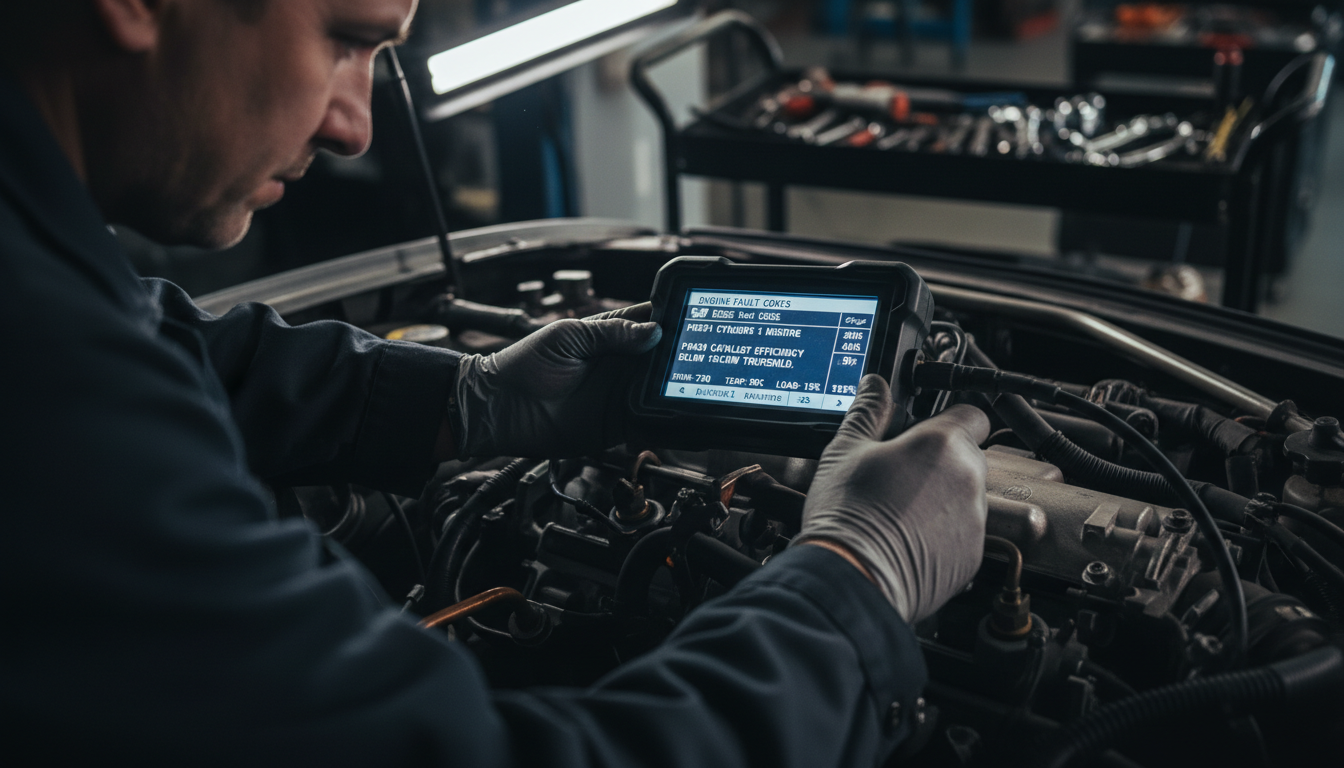
We provide reliable diagnostics to pinpoint which of these issues is affecting your vehicle. Many drivers find that these brake warning signs are intermittent, appearing only after the brakes have heated up during a long descent from Mt. Nebo. Heat expands metal and changes the behavior of hydraulic fluid, often revealing hidden weaknesses that are not apparent during a short drive around Nephi. Our commitment to quality workmanship ensures that every repair addresses these thermal demands, while routine maintenance helps catch these symptoms before they escalate into a dangerous situation on the road.
The Impact of Mountain Driving on Brake Wear and Rotor Warping
Driving in Juab County presents challenges that flat-land commuters never face. When you descend from the heights of Mt. Nebo or navigate the twisting grades of the surrounding canyons, your braking system performs a monumental task. The physics are simple yet punishing; your brakes convert the kinetic energy of your moving vehicle into thermal energy. On a steep downhill grade, this conversion generates extreme heat that can quickly exceed the design limits of standard components.
This thermal stress often leads to a dangerous condition known as brake fade. As the pads and rotors overheat, the friction material begins to lose its ability to grip the metal. You might find yourself pressing harder on the pedal with less resulting stopping power. This loss of efficiency is why recognizing early brake warning signs is vital before you find yourself halfway down a mountain pass with diminishing control. If the friction material reaches its limit, the pedal may feel firm, but the vehicle simply will not slow down at the expected rate.
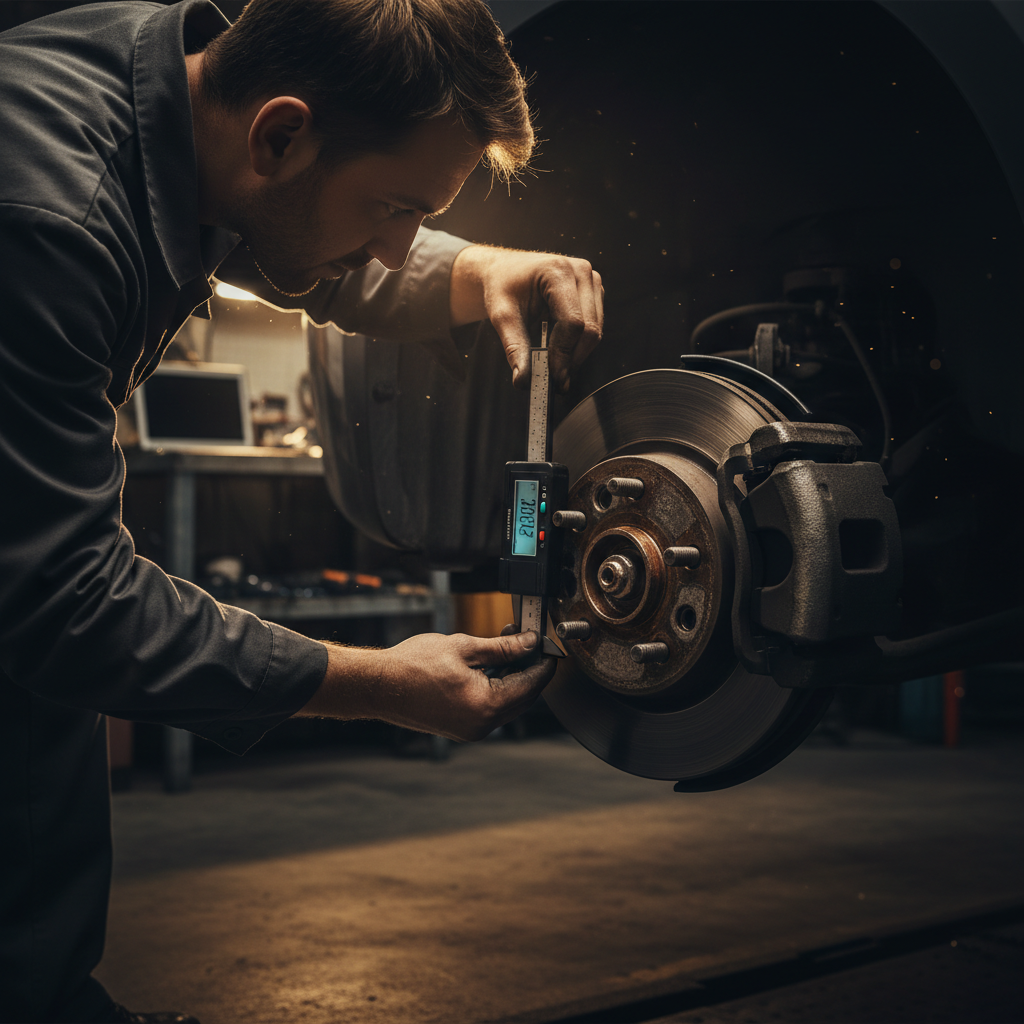
Furthermore, the intense heat cycles experienced during these descents are the primary cause of warped rotors. When a rotor reaches extreme temperatures and then cools rapidly, or stays hot while the pads are clamped in one spot at a stoplight, the metal can develop thickness variations. This manifests as the steering wheel vibration or pedal pulsation discussed earlier. Our team at Gobes Auto uses reliable diagnostics to measure these variations precisely. Through quality workmanship and routine maintenance, we ensure your rotors are true and your pads are capable of handling the specific thermal demands of Central Utah’s rugged landscape.
How to Use Your Brake Pedal on a Steep Downhill Grade
Managing a steep downhill grade safely requires a shift in driving technique to prevent your system from overheating. Many drivers instinctively ride the brakes by maintaining light, constant pressure throughout a descent. This habit is dangerous because it never allows the friction surfaces to cool, which leads to the thermal stress and brake warning signs mentioned previously.
Instead, we recommend a technique known as snub braking. When your speed exceeds the limit, apply firm, steady pressure to reduce your velocity by 5 to 10 mph, then release the pedal entirely. This pause allows air to flow over the components and dissipate heat. You should also utilize engine braking by downshifting into a lower gear. Using the engine’s resistance to control your momentum significantly reduces the mechanical burden on your pads and rotors.
Implementing these habits preserves the life of your equipment and reduces the need for frequent reliable diagnostics. During your next routine maintenance appointment at Gobes Auto, we can inspect your fluid quality to ensure it hasn't been compromised by past heat cycles. Proper downhill technique, paired with our quality workmanship, keeps you in control when navigating the most challenging terrain in Juab County.
What is the 30 30 30 Rule for New Brakes:
After your vehicle receives quality workmanship on a new set of pads and rotors, the job is not fully complete until the components are properly bedded in. For drivers in Nephi, the most effective method is the 30 30 30 rule. This process involves performing 30 decelerations from 30 mph down to 5 mph, allowing 30 seconds of cooling time between each repetition. This controlled heat cycle transfers a thin, uniform layer of friction material from the brake pad onto the rotor surface; this transfer film is what allows for smooth, consistent stopping power.
Following this procedure is vital because it prevents the friction material from glazing. If you leave our shop and immediately drive into a steep canyon or descend a mountain pass without bedding the brakes, the sudden, extreme heat can harden the pad surface prematurely. This results in reduced performance and new brake warning signs, such as a high pitched squeal or a lack of bite, shortly after installation. Incorporating this step into your routine maintenance cycle ensures that your new system is physically prepared for the unique thermal stresses of Central Utah’s terrain.
Why You Must Inspect Your Brakes Before a Utah Winter

Winter in Nephi places unique chemical and mechanical demands on your vehicle. Juab County road crews use salt and de-icing agents to keep I-15 and local routes passable, but these substances are highly corrosive to metal components. Over time, salt buildup leads to rust on brake lines and causes caliper pistons to seize or stick. A seized caliper might not be obvious on dry pavement, but on an icy patch near Salt Creek Canyon, it can cause your vehicle to pull sharply to one side.
Precise balance is essential when traction is limited. If your braking system is uneven, hitting the pedal on a slick surface increases the risk of a dangerous skid. Identifying subtle brake warning signs, such as a slight pull or a change in pedal resistance, is much safer during a pre-winter inspection than during a snowstorm. Our team provides reliable diagnostics to check for line integrity and ensure all moving parts are lubricated. Through quality workmanship and proactive routine maintenance, we help you maintain the control necessary for Utah’s harshest driving conditions.
What to Do if Your Brakes Fail on a Steep Hill
Total brake failure is the ultimate nightmare when descending a steep grade in Juab County. While identifying early brake warning signs during routine maintenance usually prevents this crisis, every driver should know the steps to take if the pedal suddenly loses resistance.
Stay Calm: Panic leads to erratic steering, which is dangerous at high speeds. Keep a firm grip on the wheel and focus on the road ahead.
Pump the Brake Pedal: Rapidly pump the pedal. If the failure is caused by a hydraulic leak, this action can sometimes build enough residual pressure to provide limited stopping power.
Downshift: Shift your transmission into a lower gear immediately. Engine braking uses the mechanical resistance of the drivetrain to scrub off speed without relying on the friction system.
Apply the Emergency Brake Gradually: Apply the parking brake slowly to maintain control. Do not yank it, as locking the rear wheels can cause a dangerous skid or spin.
Find an Escape Route: Look for a runaway truck ramp, a soft shoulder, or an uphill incline to help bleed off momentum.
This worst case scenario highlights why Gobes Auto prioritizes reliable diagnostics and quality workmanship. Our goal is to catch component wear long before it reaches a breaking point, ensuring your vehicle remains safe on every mountain pass in Central Utah.