Drivers should check tire pressure at least once a month and monitor tread depth regularly to ensure safety while navigating Utah canyons. Proper tire maintenance also includes scheduling rotations every 5,000 to 8,000 miles to prevent uneven wear caused by steep mountain terrain and Nephi's seasonal temperature shifts.
Navigating the winding turns of Salt Creek Canyon or commuting through the unpredictable weather of Juab County puts an immense strain on your vehicle, yet the most critical safety component is often the most neglected. Your tires are the only point of contact between your car and the asphalt, meaning poor maintenance translates directly to compromised handling and premature wear. In Nephi, our unique elevation and dramatic temperature swings create specific challenges that standard maintenance schedules often overlook. This guide explores how local altitude affects your tire pressure, why our local canyons accelerate tread wear, and the exact rotation intervals needed for AWD vehicles in rural Utah. You will also learn practical methods for measuring tread depth and identifying when a professional alignment is necessary to protect your investment. By understanding these regional factors, you can ensure your vehicle remains reliable regardless of the Utah season.
The High Elevation Impact: How Utah Altitude Affects Tire Pressure
Nephi sits at an elevation of approximately 5,100 feet, a fact most generic tire guides completely ignore. Atmospheric pressure decreases as you climb higher, which means the relative pressure inside your tires increases when you drive from lower elevations into the mountains. Even when staying local, driving from the valley floor to higher passes in the surrounding ranges causes PSI fluctuations.
While you should always aim for the recommended cold PSI listed on your vehicle's door jamb, understanding the 4 PSI rule is vital for local drivers. This rule states that the difference between your cold tire pressure and hot tire pressure, measured after driving, should ideally not exceed 4 PSI. If the gap is larger, your tires are likely under-inflated and generating excessive heat through friction.
Effective tire maintenance in Juab County requires a monthly pressure check, especially during the sharp seasonal transitions common in our area. Including this in your routine maintenance schedule is the simplest way to improve fuel economy by up to 3.3% and prevent premature wear. For a thorough inspection, contact Gobes Auto. Our team provides the quality workmanship and diagnostics needed to keep your vehicle performing reliably at any altitude.
The Canyon Effect: Why Salt Creek Canyon Wears Your Tread Faster
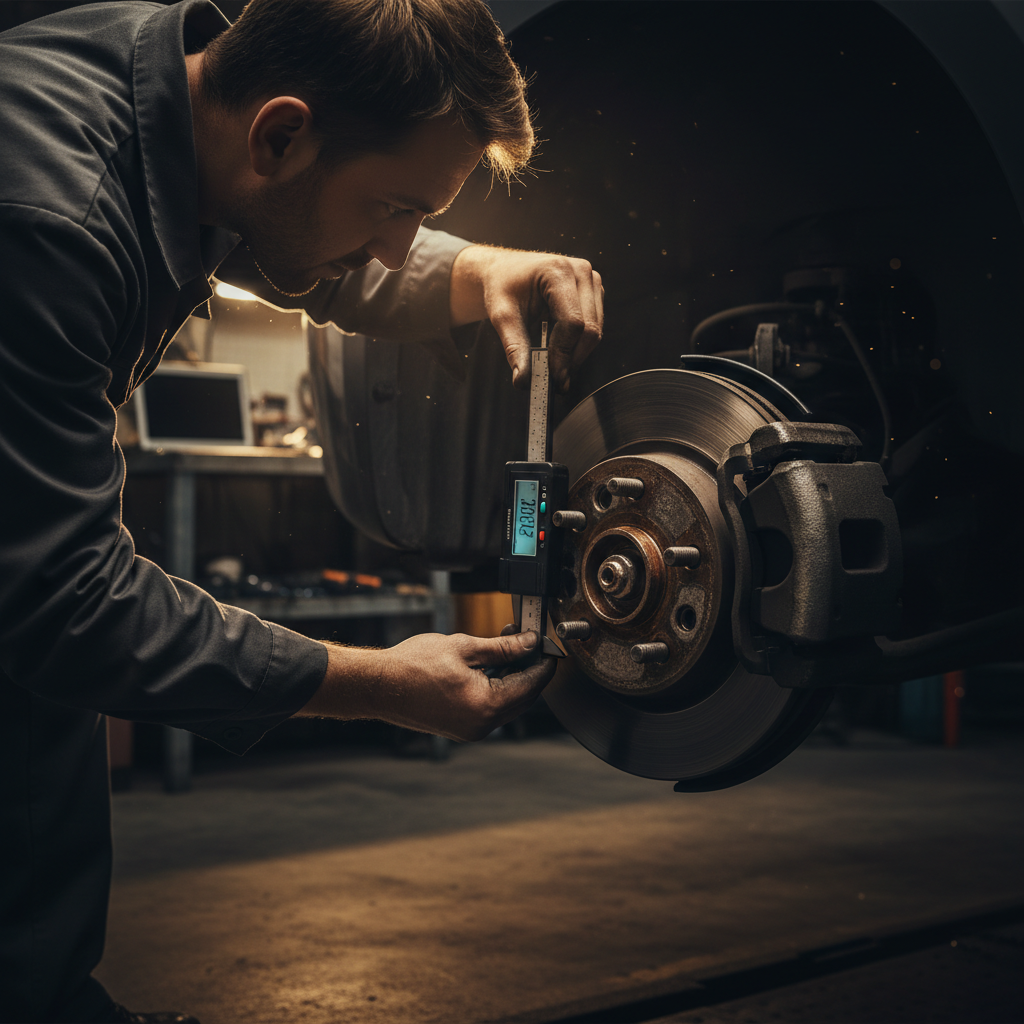
While altitude affects the air inside your tires, the geography of Juab County dictates how the rubber meets the road. Navigating Salt Creek Canyon or the Mount Nebo Loop involves constant directional changes and elevation shifts that generic driving guides do not account for. These winding routes place significant lateral stress on tire shoulders. When you take sharp corners, the vehicle’s weight shifts toward the outer edges of the tread, leading to accelerated wear that differs from standard highway use.
Descending steep grades requires heavy, sustained braking. This generates intense heat, which softens the rubber and makes it more susceptible to feathering. This specific wear pattern occurs when tread blocks wear down smoothly on one side but remain sharp on the other. If you run your hand across the tread and it feels like the teeth of a saw, your tires are likely struggling with the demands of canyon driving. Another common issue in rural Utah is scalloping or cupping, where the tread develops wavy dips. While often linked to suspension, the uneven forces of mountain roads can aggravate these conditions quickly.
Differentiating between normal wear and the accelerated wear caused by our local terrain is essential for safety. A tire might have legal tread depth but still be unsafe if the shoulders are rounded off or feathered. Regular routine maintenance helps identify these patterns before they lead to traction loss. If you notice unusual vibration or see irregular shapes in your tread, contact Gobes Auto. Our technicians use quality workmanship and diagnostics to determine if your tires simply need a rotation or if the canyon roads have impacted your vehicle’s alignment.
Measuring Tread Depth for Utah Winters: Beyond the Penny Test
Identifying wear patterns is a start, but quantifying remaining rubber is what keeps you out of the ditch on I-15 or Highway 132. While the legal minimum for tire tread in Utah is 2/32 of an inch, relying on that standard is risky in Central Utah. At 2/32 of an inch, tires lose the ability to effectively channel slush and heavy rain, significantly increasing the chance of hydroplaning during spring storms or winter thaws.
For drivers in Nephi, the Quarter Test is a more appropriate safety benchmark. A quarter provides a 4/32 inch measurement, which offers the necessary biting edges for winter traction.
How to Measure Your Tread:
The Penny Test: Place a penny into several tread grooves with Lincoln’s head upside down. If you can see the top of his head, your tires are at or below 2/32 of an inch and must be replaced immediately.
The Quarter Test: Insert a quarter the same way. If the tread does not reach the top of Washington’s head, you are below 4/32 of an inch. This depth is inadequate for safe driving through local canyons during active snowfall.
Indicator Bars: Look for the small, raised rubber bars located deep within the tread grooves. If the tread is flush with these bars, the tire is legally worn out.
Tread Depth | Safety Recommendation | Driving Condition Suitability |
|---|---|---|
6/32" or more | Good | Safe for all local conditions |
5/32" | Caution | Recommended replacement for mountain passes |
4/32" | Replace Soon | Minimum for rain and light slush |
2/32" | Unsafe | Dangerous for Utah winters; replace now |
If your commute involves frequently crossing steep mountain passes, replacing tires at 5/32 of an inch provides a vital safety margin for braking on slick descents. Including a depth check in your routine maintenance ensures you aren't caught off guard by the first frost. For a precise measurement using specialized tools, contact Gobes Auto. Our team provides the quality workmanship and diagnostics to ensure your tires are prepared for the specific demands of Juab County roads.
Tire Rotation Intervals for AWD and 4WD Vehicles in Rural Utah
Consistent tread depth is critical for the high concentration of All-Wheel Drive (AWD) and four-wheel drive (4WD) vehicles in Nephi. While Front-Wheel Drive (FWD) vehicles primarily wear the front tires through steering and braking, AWD systems distribute power to all four corners. However, they do not wear tires perfectly evenly. AWD vehicles are particularly sensitive to tread depth variances. If one tire is significantly more worn than others, the difference in circumference forces the drivetrain to work harder to compensate for varying wheel speeds. This can strain the center differential and lead to expensive mechanical failure.
Drive System | Common Rotation Pattern | Reason for Pattern |
|---|---|---|
FWD | Forward Cross | Moves rear tires to the front drive and steer axle |
RWD | Rearward Cross | Moves front tires to the rear drive axle |
AWD/4WD | X-Pattern | Distributes wear across all four corners and sides |
Including rotation in your regular tire maintenance schedule protects more than just the rubber; it preserves your vehicle's mechanical integrity. We recommend a rotation interval of 5,000 to 7,500 miles, or roughly every other oil change. If you frequently engage in heavy towing or mountain hauling through Juab County, your tires experience higher friction, necessitating more frequent service to prevent premature cupping. Professional routine maintenance ensures these patterns are managed correctly for your specific model. Our team provides quality workmanship and diagnostics to verify your drivetrain remains healthy. To schedule your next service, contact Gobes Auto.
Seasonal Temperature Swings: The 10 Degree Rule
Nephi experiences extreme seasonal shifts, ranging from mid-summer temperatures over 90 degrees to sub-zero winter nights. These swings directly impact air density inside your tires. A reliable rule of thumb for local drivers is the 10 degree rule; for every 10 degree drop in ambient temperature, your tires typically lose about 1 PSI. This physics principle explains why the low tire light often activates during the first sharp cold snap in October.
Driving on underinflated tires during a Utah winter is hazardous. Low pressure increases the tire's footprint, which sounds helpful but actually reduces the effectiveness of the tread grooves designed to channel slush and snow. Furthermore, underinflation causes the sidewalls to flex excessively, generating internal heat that can lead to a catastrophic blowout. Incorporating a monthly pressure check into your routine maintenance prevents these risks. If your TPMS light stays on despite adding air, contact Gobes Auto. Our team provides the quality workmanship and diagnostics needed to identify slow leaks or sensor malfunctions caused by local climate extremes.
Signs You Need Professional Tire Alignment in Nephi

While maintaining proper PSI handles the air inside your tires, professional alignment ensures the mechanical components of your vehicle are working in harmony with the road. Nephi drivers often face unique challenges that knock a vehicle out of spec, such as hitting deep potholes on rural roads or sliding into a hidden curb during a Juab County snowstorm. If you notice your car pulling to one side on a flat stretch of I-15, or if your steering wheel is off-center when you are traveling straight, your alignment likely needs attention. You might also feel a distinct vibration through the steering wheel or seat, which often points to suspension geometry issues.
Ignoring these symptoms compromises your safety and your wallet. Poor alignment rapidly destroys expensive tires by causing aggressive inner or outer edge wear, often stripping the rubber down to the cords while the center tread remains deep. This makes effective tire maintenance nearly impossible, as the tire becomes unsafe long before its expected lifespan ends. Including a professional alignment check as part of your routine maintenance prevents this premature failure. At Gobes Auto, we use quality workmanship and diagnostics to accurately reset your vehicle to factory specifications. If your steering feels loose or unresponsive, contact Gobes Auto to protect your investment and ensure your vehicle tracks straight through every canyon turn.
Extending Tire Life: Practical Tips for Central Utah Drivers
Maximizing the lifespan of your tires in Central Utah requires more than just checking air pressure. It starts with your driving habits on our local terrain. Smooth steering and gradual braking on mountain roads prevent the rubber from scrubbing against the pavement, which is especially important when navigating the tight curves of the Mount Nebo Loop. Additionally, be mindful of your vehicle's load capacity. Overloading a truck or SUV for a haul through Juab County puts excessive strain on tire sidewalls and generates internal heat that shortens their life.
Consistent tire maintenance is the single most cost-effective way to protect your vehicle. Keeping your tires properly inflated and rotated can improve your gas mileage by up to 3.3 percent, helping offset the costs of fuel. Commit to a visual inspection once a month to look for embedded debris like nails or rocks from rural gravel roads. If you find a slow leak or notice strange wear patterns, contact Gobes Auto for a professional assessment.
A thorough check during your routine maintenance visit allows technicians to identify early signs of suspension trouble or failing components that a standard gauge might miss. At Gobes Auto, we provide the quality workmanship and diagnostics needed to catch small issues before they become expensive roadside emergencies, ensuring you stay confidently on the road for every mile.
Navigating the steep canyons and changing seasons of Nephi requires a reliable set of tires. By prioritizing regular pressure checks and tread inspections, you can drive with confidence regardless of the Utah weather. If you want expert help maintaining your vehicle, our team provides the professional care your car deserves. You can learn more about our local expertise and our commitment to keeping your family safe on the road through every season.