A car overheating is usually caused by low coolant levels, cooling system leaks, or a malfunctioning water pump and radiator. To prevent engine damage, drivers should immediately turn off the air conditioner, pull over to a safe location, and wait for the vehicle to cool completely before inspecting the system.
Watching the temperature gauge needle creep toward the red zone while you are halfway up a steep canyon pass is a stressful experience every Utah driver wants to avoid. In the Beehive State, our extreme summer temperatures and demanding elevation changes put immense pressure on your vehicle’s cooling system. A failure here is not just an inconvenience; it can lead to catastrophic engine damage that leaves you stranded on the shoulder of I-80. This guide explores the specific science of overheating on local roads, why your AC might be triggering the issue, and how to differentiate between idling troubles and high speed failures. You will also learn the immediate steps to take if your engine begins to smoke, along with how professional diagnostics can prevent your next mountain adventure from ending in a costly repair.
The Science of Car Overheating on Utah Roads
Driving through Juab County during the summer presents a specific set of challenges for any vehicle cooling system. While triple-digit temperatures in the valleys are difficult enough, the real test occurs when those high temperatures meet Utah’s unique geography. The climbs through the passes near Nephi or the long, steep stretches heading toward Scipio put an immense load on the engine while simultaneously stripping away its ability to cool itself.
The primary issue is atmospheric density. As elevation increases, the air becomes thinner. Radiators rely on air molecules passing through the cooling fins to carry heat away from the engine. In high-altitude environments, there are fewer air molecules available to perform this heat exchange. A cooling system that operates perfectly in the denser air of lower elevations can quickly reach its breaking point during a mountain climb because the thin air simply cannot dissipate heat fast enough.
This "mountain stress" is why routine maintenance and service is more critical in Nephi than in coastal regions. When you combine a steep incline, a heavy load, and thin, hot air, your vehicle’s margin for error disappears. Understanding this environmental disadvantage is the first step in recognizing why accurate diagnostics are necessary before a small cooling inefficiency turns into a major breakdown.
Why Is My Car Overheating? Common Causes in Extreme Heat

When the environmental pressures of Juab County meet mechanical vulnerabilities, the results are often visible on your temperature gauge. The most common cause of car overheating is low coolant levels, frequently resulting from small leaks in hoses or the radiator that only become apparent under the high pressure of a climb. A stuck thermostat, which fails to open and allow coolant to circulate through the radiator, is another frequent culprit.
However, we often see cases where a vehicle is overheating but the coolant reservoir is full. This usually indicates an internal flow restriction or an air pocket trapped within the engine block. Air pockets prevent the liquid from reaching hot spots, creating localized boiling. Another overlooked factor is the quality of the coolant itself. Because of the hard water prevalent in Utah, using a garden hose to top off a radiator can introduce minerals that lead to scale buildup. Over time, these mineral deposits clog the thin internal channels of the radiator, significantly reducing its ability to exchange heat.
Sudden overheating usually points to a catastrophic mechanical failure. A snapped serpentine belt will immediately stop the water pump from circulating fluid. Similarly, a water pump impeller can shear off internally; in this scenario, the belt is turning, but no coolant is moving. Identifying these nuances requires accurate diagnostics rather than simple guesswork.
Symptom | Potential Root Cause |
|---|---|
Temp spikes suddenly | Snapped belt or water pump failure |
Overheating despite full coolant | Clogged radiator (scale) or air pockets |
Slow rise during mountain climbs | Low coolant or aging thermostat |
Sweet smell under the hood | Active coolant leak |
Addressing these issues through routine maintenance and service ensures that small leaks or scale buildup do not leave you stranded. If you notice your gauge climbing, contact Gobes Auto to identify the specific failure point before it leads to permanent engine damage.
Car Overheating With AC On: The Summer Struggle
A common frustration for drivers in Juab County is a car overheating with the AC on, even when the vehicle seems to run fine otherwise. This happens because of the physical relationship between your air conditioning system and your engine cooling system. The AC condenser is mounted directly in front of the engine radiator. When you blast the air conditioning during a 100-degree Nephi afternoon, the condenser works by dumping a massive amount of thermal energy extracted from the cabin right into the path of the radiator.
Under normal conditions, your radiator handles engine heat alone. With the AC engaged, the radiator must now process engine heat plus the intense heat coming off the condenser. If any part of your cooling system is marginal, this extra load causes the temperature to spike. A failing cooling fan is frequently the hidden culprit in these specific cases. Modern vehicles use electric fans that should ramp up to higher speeds when the AC is active. If the fan motor is weak, or if a relay has failed, there simply is not enough airflow to pull heat through both components simultaneously.
This specific failure requires accurate diagnostics to determine if the issue is mechanical or electrical. Neglecting this symptom can lead to permanent engine damage. If your temperature gauge only rises when the air is running, contact Gobes Auto to inspect your fan assembly and ensure your cooling system can handle the added summer load through routine maintenance and service.
Overheating While Idle vs. Overheating While Driving
Identifying exactly when your temperature gauge spikes provides critical clues for accurate diagnostics. If your engine temperature climbs while sitting at a red light in Nephi but drops once you start moving, the issue is almost certainly airflow. At a standstill, your vehicle relies entirely on the cooling fan to pull air through the radiator. If that fan is weak or the coolant flow is too low at idle speeds, heat builds up rapidly because there is no natural wind to dissipate it.
Conversely, car overheating while driving at highway speeds or climbing steep grades suggests a capacity problem. When you are moving, natural ram air is forced through the radiator; the fan becomes less critical. If the temperature still rises under these conditions, it usually points to a radiator that is partially clogged with mineral deposits or a water pump that cannot circulate enough volume to match high RPM demands. Identifying these patterns is a vital step in routine maintenance and service to ensure your vehicle survives the next canyon climb.
Observation | Primary Suspect | Why it Happens |
|---|---|---|
Temp rises at idle, drops when moving | Cooling fan or fan relay | No air is being pulled through the fins manually |
Temp rises during mountain climbs | Clogged radiator or water pump | The system can't handle the high engine load |
Immediate Steps: What to Do if Your Engine Starts Smoking

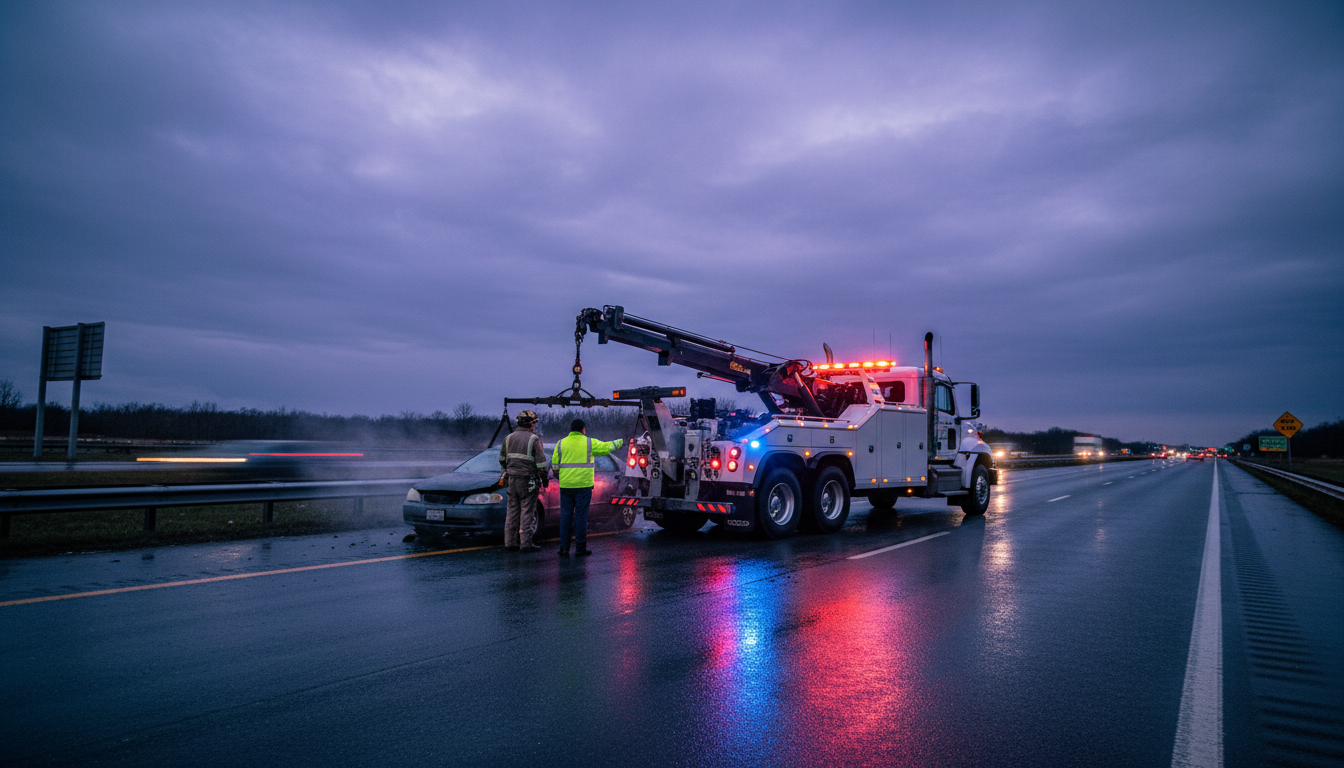
Seeing wisps of vapor rising from your hood while traveling through Nephi can be alarming. It is vital to distinguish between a car overheating and smoking due to fire versus a coolant leak producing steam. Steam is typically white, dissipates quickly, and carries a distinctively sweet smell. Actual engine smoke is usually darker, thicker, and smells of burning oil or plastic. If you see thick, dark smoke or smell an acrid, chemical burn, exit the vehicle immediately and move to a safe distance.
If you suspect steam from a cooling failure, follow this protocol to minimize engine damage:
Kill the AC: Turn off the air conditioning immediately to remove the significant thermal load the condenser places on the radiator.
Crank the Heat: Set your heater to the highest temperature and maximum fan speed. The heater core acts as a secondary radiator, drawing thermal energy away from the engine block and venting it into the cabin.
Find a Safe Spot: Pull over as soon as it is safe to do so. Continued driving when the car overheating light is active can lead to a warped head gasket or a seized engine block.
Hands Off the Cap: Never attempt to open the radiator cap while the engine is hot. The system is under extreme pressure. Opening it can cause a violent eruption of boiling coolant, leading to severe burns.
Once you are safely stopped, contact Gobes Auto for assistance. We provide accurate diagnostics to identify why the system failed and ensure routine maintenance and service keeps you from facing another roadside emergency.
How to Prevent Overheating Before the Next Canyon Climb
Avoiding a roadside emergency starts long before you reach the base of Salt Creek Canyon. Proactive routine maintenance and service is the most effective way to ensure your vehicle survives the sustained high-RPM demands of Utah mountain passes. A cooling system flush every 30,000 to 50,000 miles is essential for high-altitude driving. This process removes the accumulated sludge and acidic coolant that degrades seals and restricts the flow through your radiator’s narrow passages.
Inspecting hoses is equally vital. Rubber degrades over time due to constant heat cycles. You should check for spongy soft spots or micro-cracks near the hose clamps. Under the extreme pressure of a steep climb, these weak points are exactly where a blowout will occur.
Component | Recommended Action | Typical Interval |
|---|---|---|
Coolant Fluid | Complete Flush and Exchange | 30,000 to 50,000 Miles |
Radiator Hoses | Visual and Physical Squeeze Test | Every Oil Change |
Engine Oil | Oil and Filter Replacement | 3,000 to 7,500 Miles |
Serpentine Belt | Inspection for Fraying or Glazing | Every 20,000 Miles |
Engine oil is also a critical cooling agent. While coolant manages the cylinder head and block, oil carries heat away from the crankshaft, bearings, and pistons. Fresh oil reduces internal friction, which directly lowers the operating temperature of the engine block. Keeping up with oil changes ensures this thermal protection remains intact. To prepare for the summer season, contact Gobes Auto to schedule a comprehensive inspection of your cooling system components and fluid levels.
Professional Diagnostics: Why Guesswork Fails
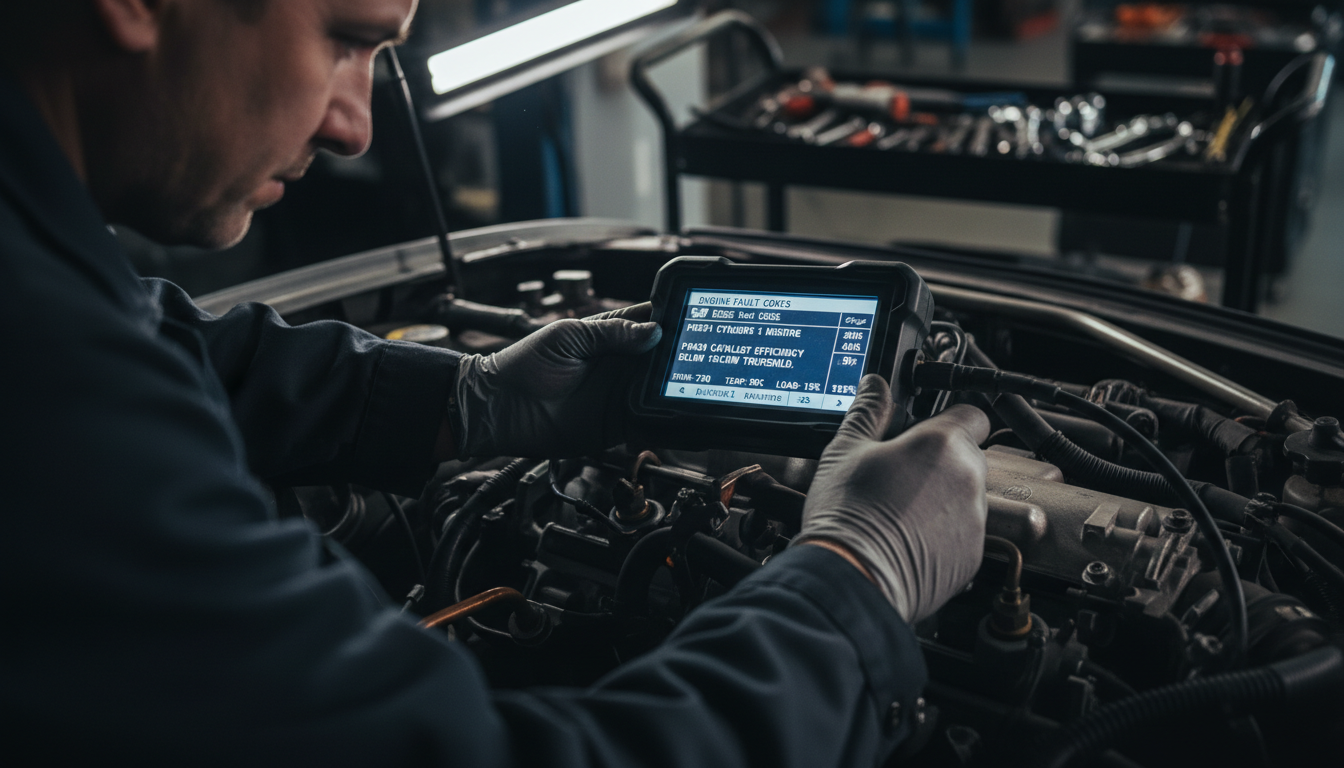
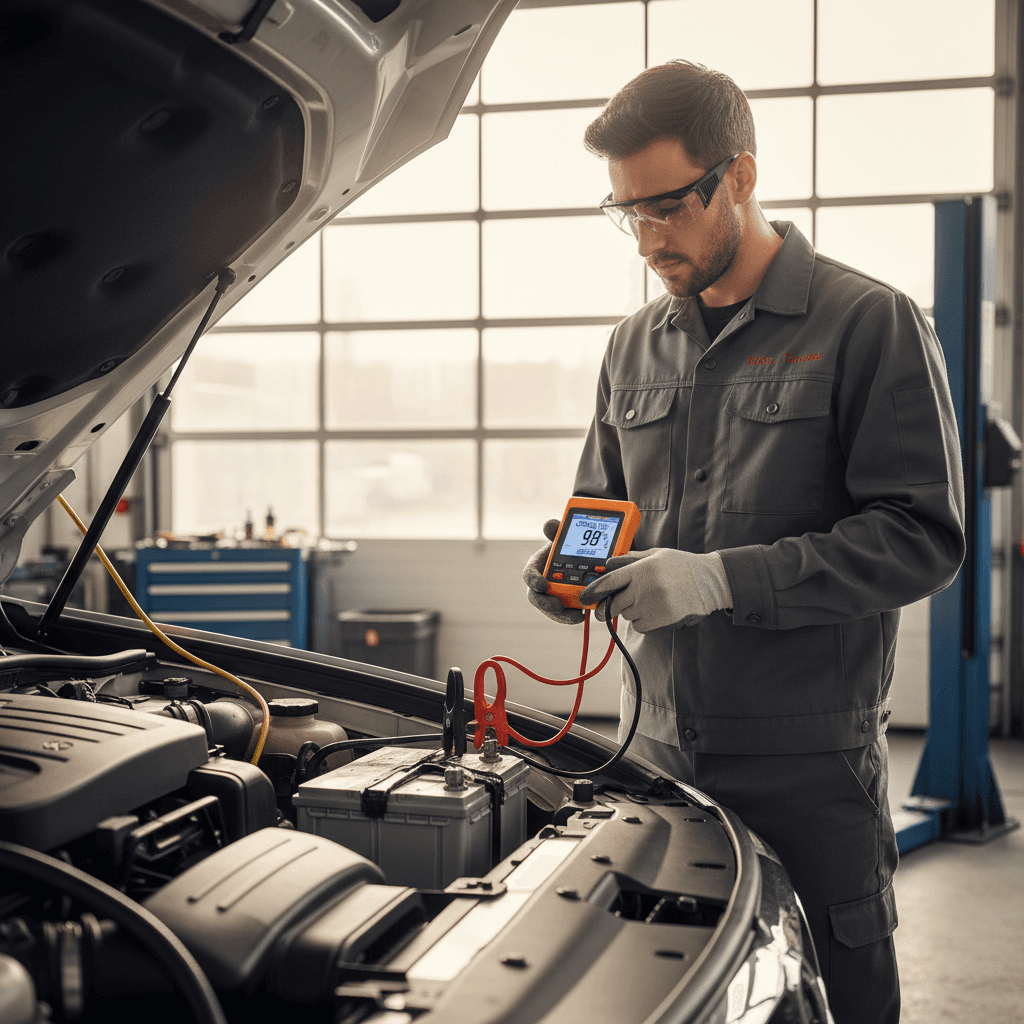
While visual checks for soft hoses are a great start, many causes of car overheating remain invisible to the naked eye. Relying on guesswork can be a costly mistake in Nephi's high-altitude environment. At Gobes Auto, we utilize specialized equipment like cooling system pressure testers and chemical combustion leak detectors to find problems before they leave you stranded. These tools identify internal failures, such as a breached head gasket or a hairline crack in a plastic radiator tank, that may only manifest under the extreme pressure of a mountain climb.
Diagnostic Tool | Purpose |
|---|---|
Pressure Tester | Locates leaks in radiators, water pumps, and hoses |
Combustion Leak Fluid | Detects exhaust gases in coolant, signaling head gasket failure |
Infrared Thermometer | Identifies cold spots in radiators caused by internal clogs |
Digital Scanners | Monitors real-time coolant temp sensor data and fan operation |
Many drivers attempt to use "stop-leak" additives as a temporary fix. These products often gum up the heater core or thermostat, eventually leading to even higher temperatures. Ignoring the root cause frequently results in permanent engine damage, including warped cylinder heads or a completely seized block. We prioritize accurate diagnostics to give you a clear, honest picture of your vehicle's health. Our team focuses on practical solutions that extend your vehicle's life. If your temperature gauge is fluctuating, contact Gobes Auto for a professional assessment to ensure your routine maintenance and service effectively protects your engine.