A car maintenance schedule organizes essential vehicle services into mileage milestones, typically occurring every 30,000, 60,000, and 90,000 miles. Following this plan ensures that critical components like brakes, filters, and fluids are inspected or replaced to prevent major mechanical failures. Regular adherence to these intervals keeps your vehicle running efficiently and helps avoid costly long-term repairs.
Owning a vehicle in Nephi means navigating more than just a daily commute; it involves enduring the unique stresses of Utah’s high desert, fluctuating temperatures, and rural terrain. For many drivers, the generic maintenance schedule found in a glovebox manual feels insufficient, often leading to unexpected repairs or performance drops at the worst possible moments. At Gobes Auto, we understand that a vehicle is a critical tool for navigating I-15 and the surrounding canyons. This guide provides a localized roadmap for your car’s longevity, focusing on the essential 30,000, 60,000, and 90,000 mile service intervals. You will learn how to distinguish between normal and severe driving conditions, discover the specific filtration and fluid needs of our region, and gain a practical checklist to keep your vehicle reliable through every season.
Why a Generic Car Maintenance Schedule Fails Utah Drivers
Most vehicle manuals are written for a hypothetical driver in a flat, temperate environment. Following a generic car maintenance schedule in Nephi, Utah, often leads to overlooked issues because our environment is anything but average. At an elevation of over 5,000 feet, engines work harder to produce power in thinner air, while the extreme temperature swings between scorching summers and freezing winters put immense stress on batteries and fluids.
We identify specific wear patterns that national chains frequently miss. The fine dust from rural Juab County roads penetrates air filters much faster than the standard interval suggests. Furthermore, the combination of long I-15 stretches and steep mountain grades places heavy demand on your cooling system and transmission. At Gobes Auto, we use reliable diagnostics to spot these local realities, such as heat-stressed hoses or grit-contaminated lubricants that a generic checklist might ignore. If you want to ensure your vehicle survives the unique rigors of the Intermountain West, contact Gobes Auto for an inspection that accounts for our local terrain and high desert conditions.
The 30,000 Mile Service: Foundation and Filtration
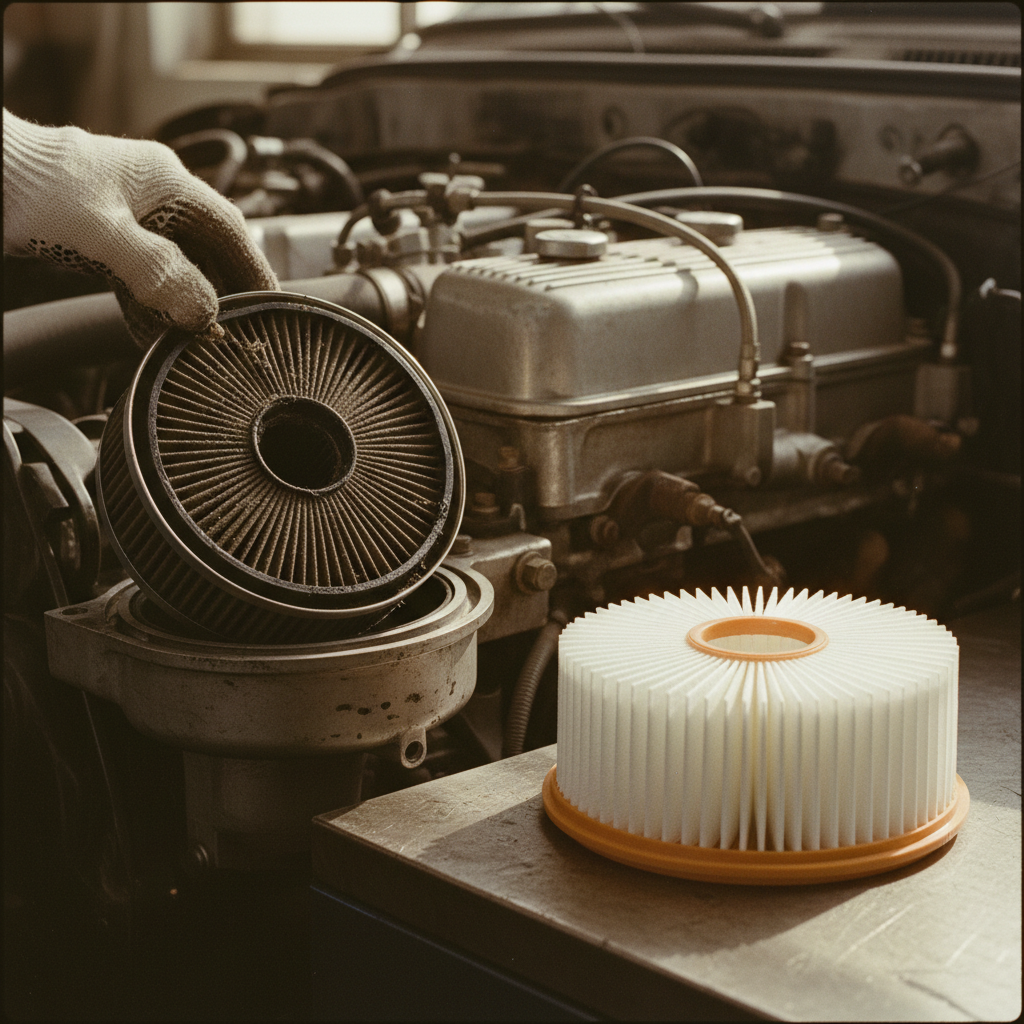
Reaching 30,000 miles marks the first significant milestone in your car maintenance schedule. While the vehicle may still feel new, this is the foundational stage where we address cumulative environmental wear. In Nephi, the most immediate concern is filtration. Rural Utah dust is fine and pervasive; it clogs engine air filters and cabin filters much faster than the standard 30,000 mile recommendation suggests. A choked engine filter forces your motor to work harder in our already thin, high altitude air, while a dirty cabin filter can restrict airflow to your heater and defrost systems during our harsh winter months.
This service also focuses on critical fluid health, specifically your brake fluid. Brake fluid is naturally hygroscopic, meaning it attracts and absorbs moisture from the air over time. In the high desert, this moisture can lead to internal system corrosion or, more dangerously, a lower boiling point for the fluid. When you are navigating steep descents through the salt creek canyon or surrounding mountain passes, compromised brake fluid can lead to brake fade, where the pedal feels spongy and stopping power diminishes.
During this visit, our technicians use reliable diagnostics to check for early signs of wear that generic inspections often overlook. This is the primary preventative stage of ownership. Investing approximately $150 in a comprehensive 30k mile service today can prevent a $1,500 repair bill for a seized caliper or a damaged engine component later. It is a practical step that ensures your vehicle remains reliable long after the initial factory honeymoon period ends.
The 60,000 Mile Service: Brakes and Transmission Health

By the time your vehicle hits the 60,000 mile mark, it has entered its midlife phase. In rural Utah, this is the point where wear and tear moves from superficial to structural. The primary focus of your car maintenance schedule now shifts toward systems that handle high heat and heavy loads, specifically your brakes and transmission.
Brake wear in Juab County is significantly more aggressive than in flat, coastal regions. Constant engine braking and heavy pedal use on long descents can cause heat glazing, a condition where the brake pad surface becomes smooth and glassy. This reduces the friction necessary to stop safely and can increase stopping distances. Our technicians prioritize measuring pad thickness and inspecting rotors for heat spots or warping, ensuring your vehicle remains responsive when descending steep mountain grades.
Transmission health is equally vital at this stage. For Nephi drivers who frequently tow trailers or traverse mountainous terrain, transmission fluid undergoes extreme thermal stress. Over time, the fluid loses its ability to lubricate and cool the internal gears, which can lead to slipping, rough shifting, or catastrophic failure. A transmission fluid exchange at 60,000 miles acts as a necessary insurance policy against the high cost of a total transmission rebuild.
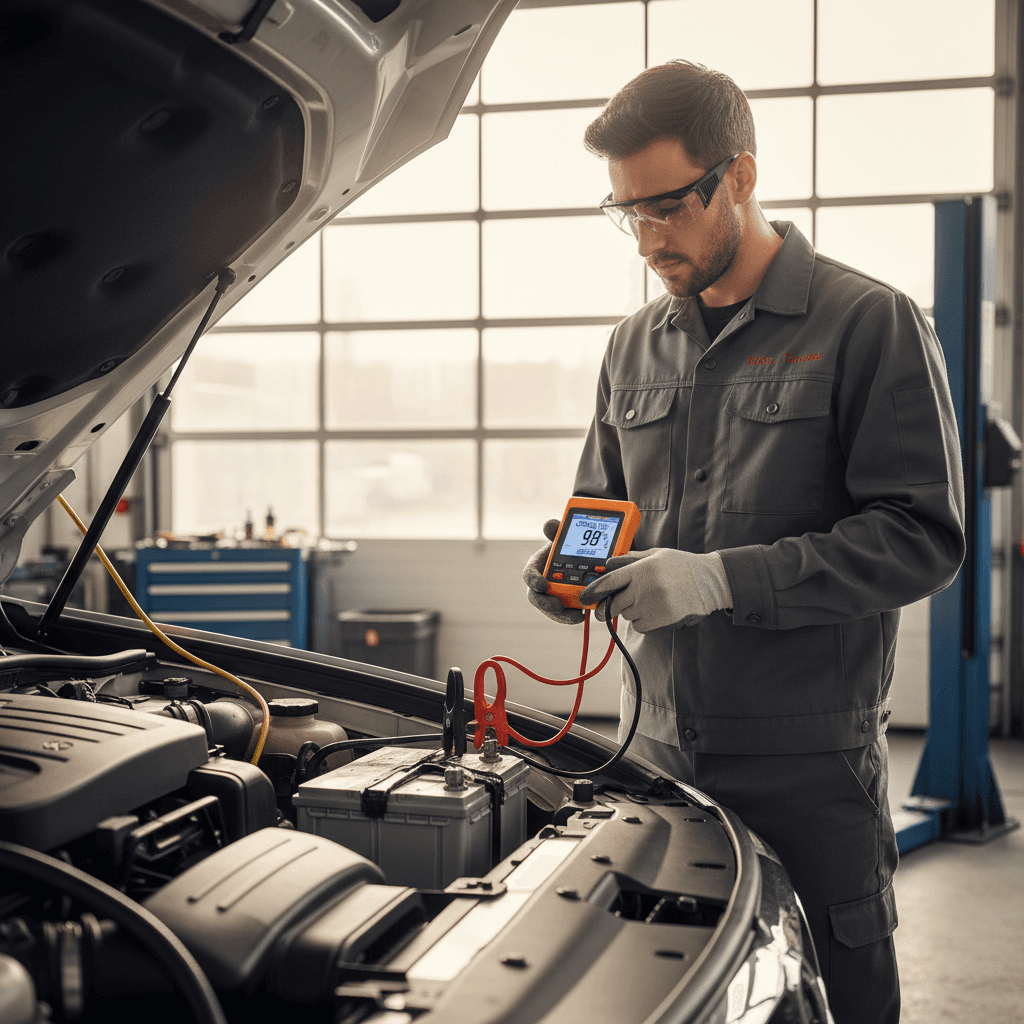
We also incorporate reliable diagnostics to evaluate your ignition and electrical systems. Spark plugs often begin to degrade around this mileage, causing misfires or poor fuel economy, issues that are amplified by our high elevation and thinner air. Additionally, we conduct a load test on your battery. A battery that performs adequately in July may fail completely during the first subzero morning in Nephi. Catching a weakened battery now prevents a stressful breakdown in the middle of a Utah winter. If you have surpassed this milestone without a comprehensive checkup, you should contact Gobes Auto to schedule a midlife inspection that addresses these critical wear points.
The 90,000 Mile Service: The Deep System Refresh
By the time a vehicle reaches 90,000 miles, it transitions from routine upkeep to a deep system refresh. This is the most critical juncture in your car maintenance schedule because it involves components that do not always give warning signs before catastrophic failure. In the high desert of Nephi, the dry climate is particularly aggressive toward rubber. While vehicles in humid coastal regions might see hoses and belts last longer, the low humidity in Utah causes rubber compounds to lose their elasticity, leading to accelerated dry rot and cracking.
We pay close attention to the timing belt and water pump during this milestone. If your engine utilizes a timing belt, 90,000 miles is often the manufacturer's recommended replacement limit. A snapped belt can result in immediate, total engine destruction. We typically recommend replacing the water pump simultaneously; since the technician is already deep inside the engine to reach the belt, the labor overlap makes it a cost-effective preventative measure. We also perform a tactile inspection of all coolant hoses. A hose that feels brittle or crunchy when squeezed is a prime candidate for a burst, which can leave you stranded on a remote stretch of I-15 during a summer heatwave.
The suspension system also requires a thorough evaluation at this stage. Years of navigating rural Juab County backroads and the uneven surfaces of local highways take a toll on shocks and struts. If you notice increased bouncing after hitting a bump or a swaying sensation during cornering, your suspension is likely compromised. Worn shocks do more than just ruin ride quality; they increase stopping distances and reduce traction during emergency maneuvers. Our technicians use reliable diagnostics to identify leaks in strut housings or worn bushings that compromise your safety. Addressing these deep-system needs now ensures your vehicle remains structurally sound for the next 100,000 miles. If you are approaching this mileage, contact Gobes Auto to review your specific service requirements.
Understanding Severe vs Normal Driving in Rural Utah

Manufacturers typically define normal driving as long-distance cruising on flat terrain in mild temperatures. This rarely describes life in rural Utah. Most driving in and around Nephi, including short trips to the store in sub-zero temperatures, idling to defrost windows, and climbing steep mountain grades, qualifies as severe service under official guidelines.
Dusty roads and high-altitude operation further accelerate the breakdown of engine oil and filters. While a manual might suggest a 10,000-mile oil change, following that interval in a high-desert environment can lead to sludge buildup and premature component failure. Transitioning to a 5,000-mile car maintenance schedule is a strategic choice for longevity. It ensures that lubricants are fresh enough to handle the thermal stress of canyon driving and allows us to catch minor leaks or wear early through reliable diagnostics.
Adopting the severe schedule protects your vehicle’s resale value by providing a documented history of superior care. It shifts your strategy from reactive repairs to consistent preservation. If your odometer is climbing and you have not adjusted your service frequency, contact Gobes Auto to align your maintenance plan with the reality of Utah driving conditions.
Nephi Car Maintenance Checklist for Every 5,000 Miles
Standardizing your car maintenance schedule around a 5,000-mile interval provides the most consistent protection against the environmental variables in Nephi. This frequent touchpoint allows our technicians to use reliable diagnostics to catch small issues before they become expensive repairs.
Every 5,000-mile visit at Gobes Auto includes a targeted checklist: - Oil and Filter Change: We use high-quality lubricants designed to handle the high-altitude oxidation and dust contamination prevalent in Juab County. - Tire Rotation: This is essential for the AWD and 4x4 vehicles common in Utah; maintaining equal tread depth prevents expensive damage to the center differential or transfer case. - 4x4 Drivetrain Inspection: We check fluid levels and seals in the front and rear differentials. These components are often neglected in standard city-based service menus but are critical for towing and off-road stability. - Multi-Point Inspection: A thorough visual check of belts, hoses, and battery terminals to ensure everything remains secure despite local road vibrations. - Fluid Top-Off: Ensuring coolant, brake, and power steering fluids are at optimal levels for the current season.
This routine ensures your vehicle remains prepared for the demands of mountain driving and rural work. Consistent checkups at this interval help maintain the structural integrity of your suspension and drivetrain long before major components fail. If you are due for this milestone, contact Gobes Auto to keep your vehicle operating at peak efficiency.
Common Questions About Maintenance Intervals
Standardizing your car maintenance schedule involves understanding common industry milestones. Here are direct answers to the most frequent questions we address in Nephi.
What is the 30-60-90 rule for car maintenance? This refers to major service intervals occurring every 30,000 miles. Each stage builds in complexity, moving from basic filtration and fluid checks at 30k to brake and transmission health at 60k, then ending with deep system refreshes like timing belts at 90k.
What car maintenance needs to be done at 50,000 miles? This mid-point focuses on tire health, brake pad thickness, and battery testing. It serves as a critical safety check to ensure components remain reliable until the more intensive 60,000-mile service arrives.
Is a 100,000-mile service necessary? Yes. This milestone involves replacing long-life components like spark plugs, oxygen sensors, and coolant. Our technicians use reliable diagnostics to check for cooling system efficiency and engine seals, which are vital for longevity in the high-altitude Utah climate. If your vehicle is approaching these marks, contact Gobes Auto for a personalized assessment.