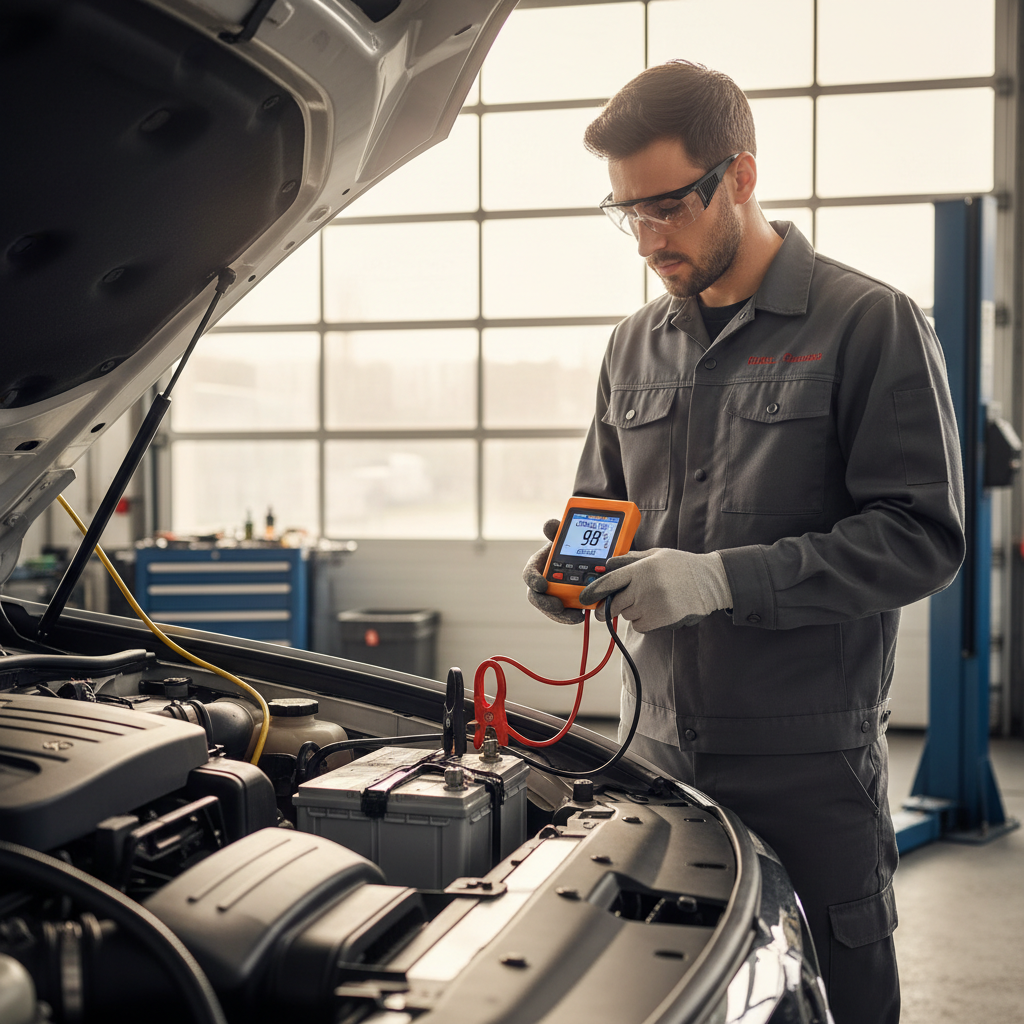
Common car battery dying warning signs include a slow engine crank, dim headlights, and dashboard warning lights indicating low power. Other indicators involve glitching electronics and a sulfur-like smell, which are often worsened by cold weather or high altitudes. If you notice these symptoms or your vehicle struggles to start in freezing conditions, it is likely time to replace the battery.
Few things disrupt a productive morning in Nephi quite like the hollow click of a starter that refuses to turn. Whether you are preparing for a commute up the canyon or simply running errands around town, a failing battery often chooses the most inconvenient moment to surrender. While it might seem like a sudden failure, your vehicle usually provides subtle warnings long before the engine goes cold. Understanding these indicators is essential for maintaining reliability in Utah's demanding climate. In this guide, we will analyze the primary symptoms of a dying battery, examine how our local altitude and freezing temperatures impact electrical longevity, and explain the differences between battery, alternator, and starter issues. By recognizing these red flags early, you can avoid being stranded and ensure your vehicle remains ready for the road ahead.
Recognizing the Top Car Battery Dying Warning Signs
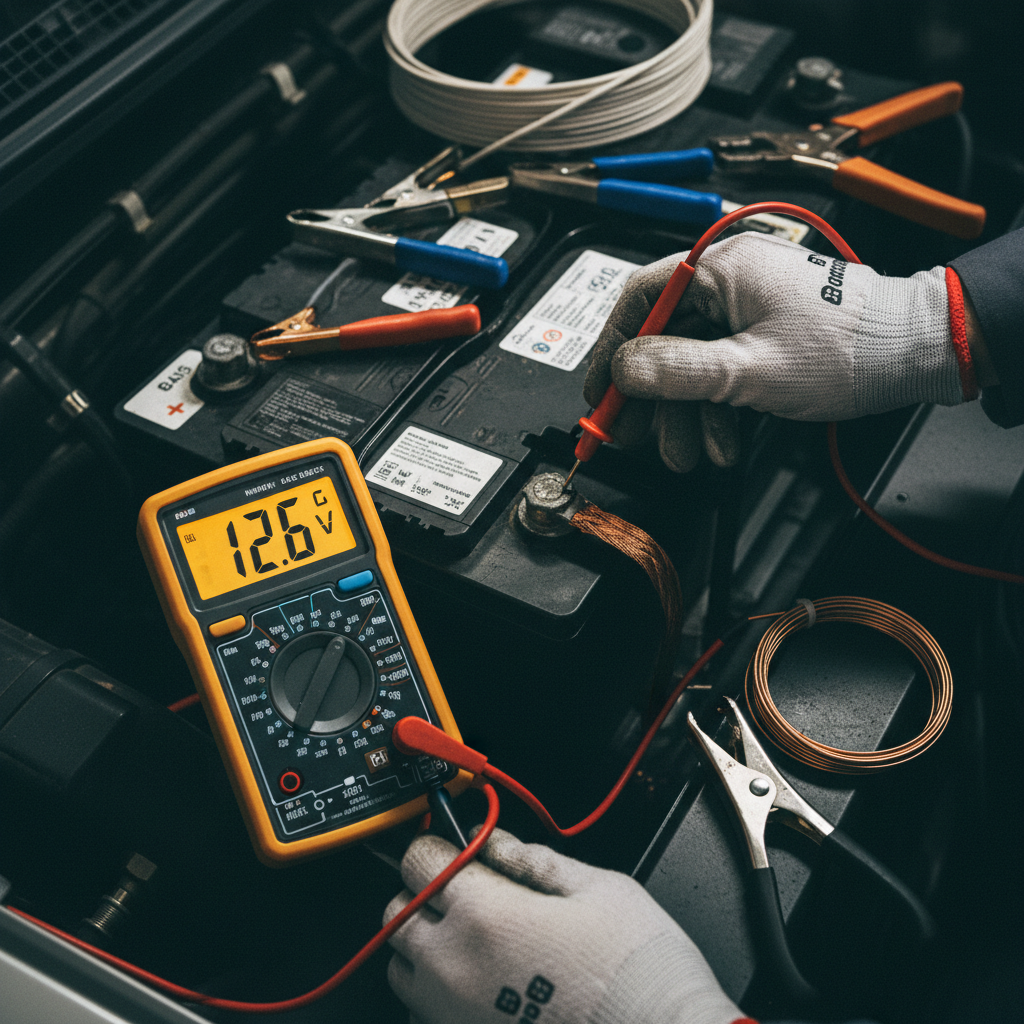
Most drivers in Nephi notice the first car battery dying warning signs during the first cold snap of the season. The most recognizable symptom is the slow engine crank. Instead of a sharp, immediate roar, the engine sounds labored, turning over with a rhythmic, sluggish cadence. It is important to differentiate this from a "no start" condition. A slow start indicates the battery still has a residual charge but lacks the amperage to engage the starter motor efficiently. A no start often results in a rapid clicking sound, which is the starter solenoid engaging and disengaging because it lacks the sustained power to turn the engine.
Modern vehicles act as rolling computers, making them particularly sensitive to voltage fluctuations. When a battery begins to fail, the onboard electronics often behave erratically. You might notice your power windows moving significantly slower than usual or your interior dome lights losing their crisp, bright white quality, appearing yellow or dim instead. Dashboard electronics may flicker during ignition, or you might see the battery warning light illuminate briefly before disappearing.
These small changes are not just inconveniences; they are data points indicating a loss of chemical efficiency within the battery cells. Identifying these issues early through routine maintenance and service support can prevent you from being stranded on a rural road in Juab County. If your headlights seem dimmer when the engine is idling but brighten when you rev the motor, the battery is likely struggling to hold a proper charge. For a definitive answer, seeking reliable diagnostics is the best course of action to determine if the issue is a failing cell or simply a loose connection. If these symptoms sound familiar, you should contact Gobes Auto before the next temperature drop leaves you stuck in your driveway.
The Utah Factor: How Nephi Cold and Altitude Drain Your Power
Living in Juab County means your vehicle faces a unique environmental gauntlet that national maintenance schedules often overlook. In Nephi, the thermometer frequently drops well below freezing, which fundamentally alters the chemical behavior inside a lead acid battery. At 32°F, a battery loses approximately 20% of its cranking strength. When the temperature hits 0°F, that loss jumps to a staggering 60%. This occurs because cold temperatures slow down the chemical reactions required to generate a current, effectively shrinking the available power just when your engine oil is at its thickest and hardest to move.
Nephi’s elevation, which sits at over 5,000 feet, adds another layer to this stress test. High altitude environments often experience more dramatic temperature swings between day and night, leading to faster expansion and contraction of the internal battery components. For residents who park their vehicles outside overnight, the "cold soak" is absolute. A vehicle protected in a garage might retain enough residual heat to stay above that critical 20% power loss threshold, but a car left in a driveway or on the street is fully exposed to the high desert elements, forcing the battery to work much harder to achieve a successful start.
These local environmental pressures accelerate the common car battery dying warning signs that might take longer to appear in more temperate climates. Proactive routine maintenance and service support is the best way to ensure your Cold Cranking Amps (CCA) are sufficient to overcome these thermal losses. If you are noticing a struggle during those early morning starts, you should contact Gobes Auto to verify your battery's health before the next deep freeze hits the valley.
Is it a Bad Battery, Alternator, or Starter?
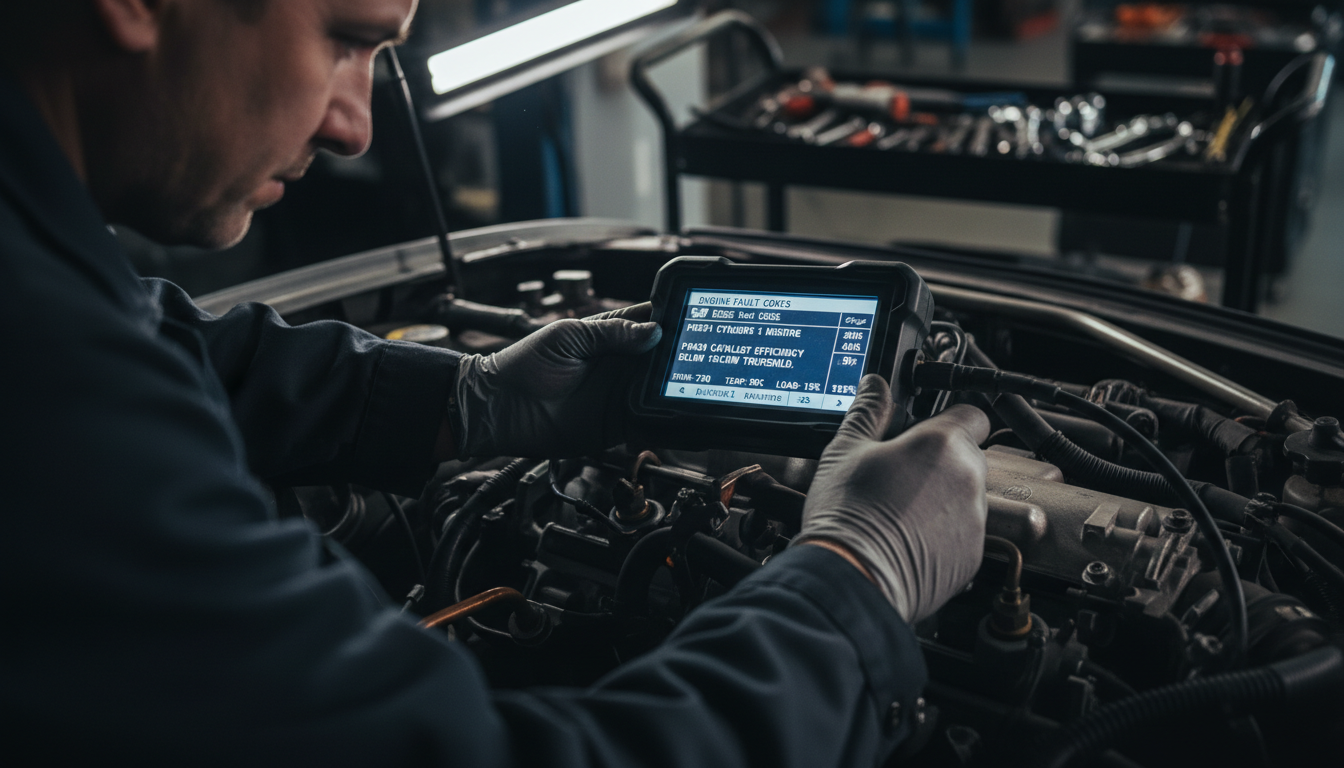
When your vehicle fails to start, it is easy to assume the battery is the sole culprit. However, your starting and charging system relies on three distinct components working in sequence: the battery, the starter, and the alternator. A simple way to differentiate their roles is to remember that the battery starts the car, while the alternator keeps it running. Distinguishing these specific symptoms from standard car battery dying warning signs ensures you replace the correct component instead of wasting money on unnecessary parts.
If you turn the key and hear a sharp, rapid clicking sound, this is often the starter solenoid trying to engage but failing because it is not getting enough juice from a weak battery. The starter motor itself is usually functional; it simply lacks the high electrical current required to turn the flywheel.
To isolate the issue between a bad battery and a failing alternator, observe how the vehicle behaves during a jump-start. If your vehicle starts with a jump but dies immediately after you remove the cables, the alternator is likely failing to produce the electricity needed to sustain the engine. Other clear symptoms of a bad alternator include a burning rubber smell from an overworked accessory belt, a mechanical whining noise from under the hood, or the battery warning light illuminating on the dashboard while you are actively driving.
Conversely, if the vehicle runs perfectly after a jump-start but refuses to start again on its own later, the battery is the root problem. It can receive a temporary charge but can no longer store that energy due to degraded internal cells. Because electrical issues can easily mimic one another, scheduling reliable diagnostics is the safest way to pinpoint the exact failure point before replacing parts. If you are experiencing these erratic starting issues, you can contact Gobes Auto for an accurate electrical system inspection.
Why Car Batteries Die After Sitting: The Reality of Parasitic Drain
It is a common frustration to find a car battery dead after sitting for just a week or two. Modern vehicles are never truly powered down; they rely on always-on computers to manage security systems, keyless entry sensors, and internal clock memory. This constant, low-level electrical draw is known as parasitic drain. While a healthy battery can handle this for a short period, a battery that is already struggling will reach a point of failure much faster.
In Nephi, the frequency of short trips exacerbates this problem. If your daily commute consists of driving only a few blocks to the store or school, the alternator does not have sufficient time to fully replenish the energy consumed during the initial engine crank. Over time, this results in a state of chronic undercharging. This cycle is a primary reason some owners find their battery dead after 2 years despite a typical longer life expectancy. The lack of long-distance highway driving prevents the battery from reaching a full state of charge, which leads to sulfation and internal degradation.
If you plan to leave your vehicle parked for a month or more, using a dedicated battery maintainer is essential to prevent deep discharge. For those unsure if a vehicle has an excessive draw, reliable diagnostics can identify if a specific module is staying awake and causing premature car battery dying warning signs. If you suspect a drain issue, you can contact Gobes Auto for a thorough electrical system check as part of your routine maintenance and service support.
The Life Cycle of a Battery in Northern Utah
While standard lead-acid batteries are often rated for five years, the extreme thermal cycling in Northern Utah typically compresses this timeline. In Nephi, a battery must endure triple-digit summer heat followed by brutal winter freezes. Heat is the silent killer; it accelerates internal corrosion and evaporates the liquid electrolyte. By the time winter arrives, the battery is chemically compromised, which is when the most obvious car battery dying warning signs finally emerge.
For many local drivers, batteries hit a critical failure point around the three year mark. This often involves a dead cell phenomenon. A standard 12 volt battery consists of six cells connected in series. If internal vibration or chemical degradation causes just one cell to fail, the total output drops significantly. You might see a reading of 10 or 11 volts, which can illuminate a dashboard but lacks the amperage to turn the engine.
Furthermore, a battery that is only two years old can fail prematurely if it has been deep-cycled too many times. Every time a battery is fully drained and then jump started, a layer of sulfate crystals forms on the lead plates. Over time, these crystals harden, permanently reducing the battery’s capacity to hold a charge. Incorporating routine maintenance and service support allows for reliable diagnostics that can detect these early stages of degradation. If your vehicle is approaching its third winter on the same battery, you should contact Gobes Auto to evaluate its remaining life.
Professional Battery Testing and Replacement in Nephi

When standard car battery dying warning signs appear, a simple voltage check with a multimeter is often insufficient. At Gobes Auto, we utilize modern diagnostic equipment to evaluate Cold Cranking Amps (CCA), which is the battery’s true ability to start an engine in Nephi’s freezing temperatures. A battery can technically show a surface charge of 12 volts but still fail a load test because its internal plates can no longer deliver the massive surge of current required by the starter motor.
Our process for reliable diagnostics includes a physical inspection of the battery box integrity to check for hairline cracks or fluid leakage that could damage your engine bay. We also prioritize cleaning heavily corroded terminals. If a buildup of acidic salts is the only thing preventing a consistent connection, we provide an honest recommendation to clean the leads rather than selling you a new unit. For comprehensive routine maintenance and service support that keeps you from being stranded, contact Gobes Auto to ensure your starting system is truly winter-ready.